

Flora and Fauna of Los Sabinares del Arlanza - La Yecla.
A land of vultures and junipers. A natural sanctuary
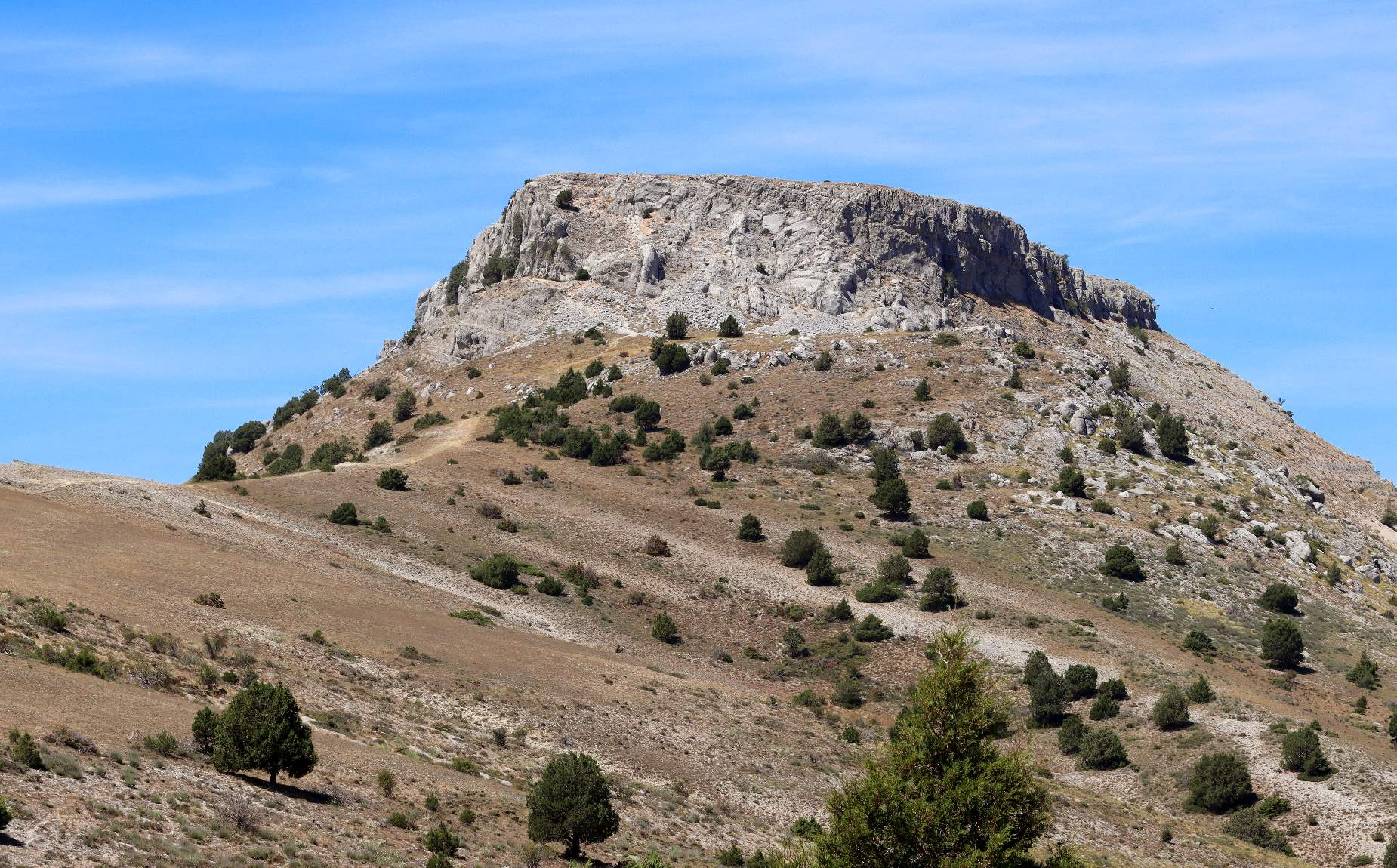
A land of vultures and junipers. A natural sanctuary
Los Sabinares del Arlanza - La Yecla form an exceptional ecosystem where unique species coexist, adapted to the harsh climatic conditions of the Castilian plateau and the geological features of the area. This area is a haven of biodiversity, where flora and fauna are intertwined with the history and culture of the region.
FAUNA: LIFE AMONG ROCKS AND JUNIPER GROVES
The combination of white juniper forests, the rocky cliffs of La Yecla, and the banks of the Arlanza River creates a mosaic of habitats that is home to iconic species:
- Birds of prey and scavengers:
- Golden eagle (Aquila chrysaetos): Inhabiting the most inaccessible cliffs, it is one of the park’s most iconic birds.
- Egyptian vulture (Neophron percnopterus): Known as the "white vulture," it visits the area in spring and summer to feed on carrion.
- Eurasian eagle-owl (Bubo bubo): Its powerful hoot echoes through the canyons at dusk.
- Mammals:
- Wild boar (Sus scrofa), roe deer (Capreolus capreolus), and badger (Meles meles): Common in the forests and thickets.
- Otter (Lutra lutra): In the clear stretches of the Arlanza River, where it finds shelter and food.
- Butterflies and other invertebrates:
- Saproxylic beetles: They depend on the dead wood of centuries-old junipers, which is key to the ecosystem’s balance.
- Reptiles and amphibians:
- Ladder snake (Zamenis scalaris) and snub-nosed viper (Vipera latastei): The latter, shy and venomous, prefers rocky areas.
- Common toad (Bufo spinosus) and marbled newt (Triturus marmoratus): Found in seasonal pools and streams.
FLORA: STRENGTH AND BEAUTY
The park's vegetation is an example of adaptation to a continental climate, with freezing winters and dry summers:
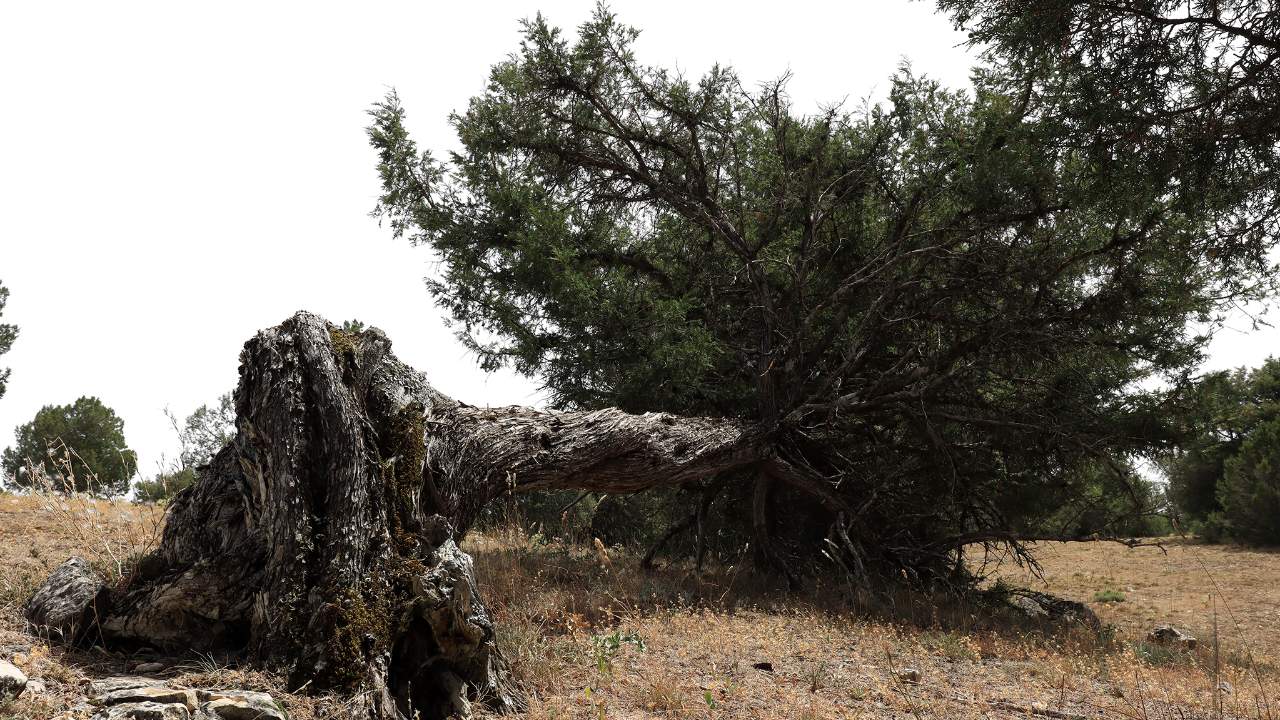
- Spanish juniper (Juniperus thurifera):
- Fun fact: Some junipers have been twisted by the wind and snow, creating almost surreal landscapes.
- Other tree species:
- Gall oaks (Quercus faginea): On cool slopes.
- Maritime pines (Pinus pinaster): Introduced through reforestation efforts, they coexist with native vegetation.
- Shrubs and aromatic plants:
- Junipers (Juniperus communis) and kermes oaks (Quercus coccifera): Typical of the Mediterranean understory.
- Wild orchids:
- Endemic species and rarities:
- Rock daffodil (Narcissus rupicola): It blooms in limestone crevices.