
Doñana Ecotourism Pledge
Leave only footprints, take only memories, and respect all forms of life.
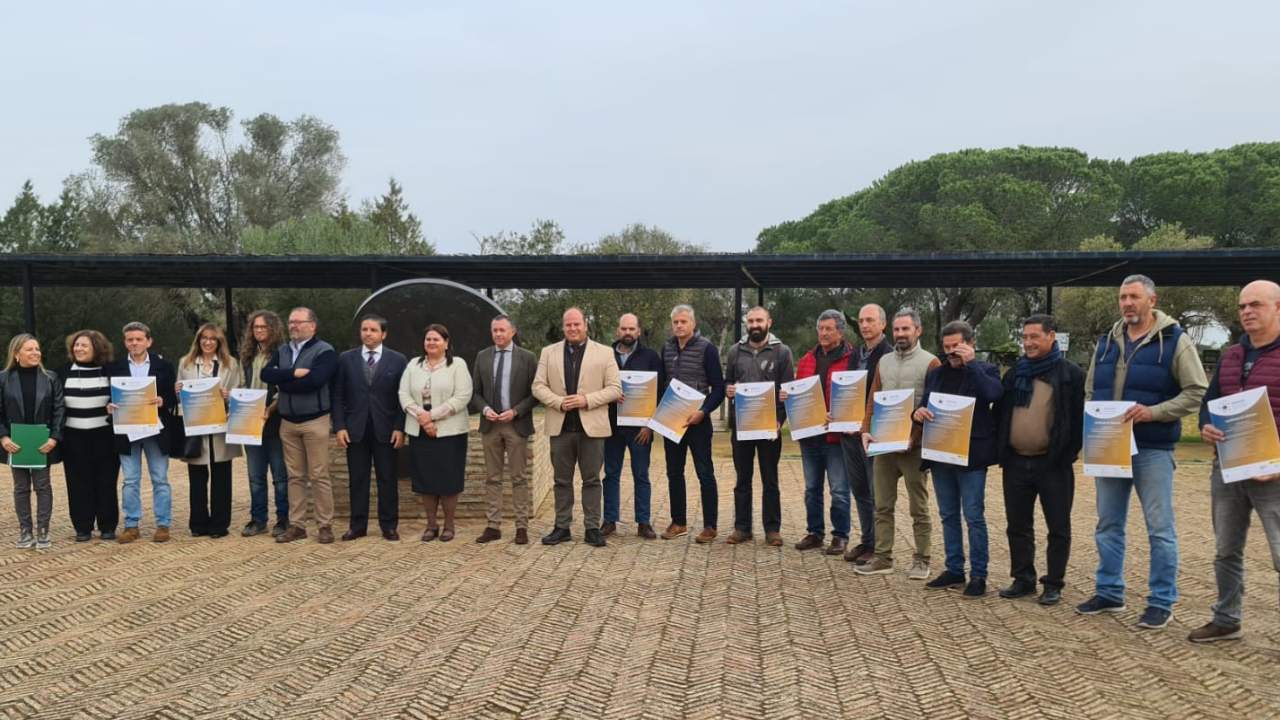
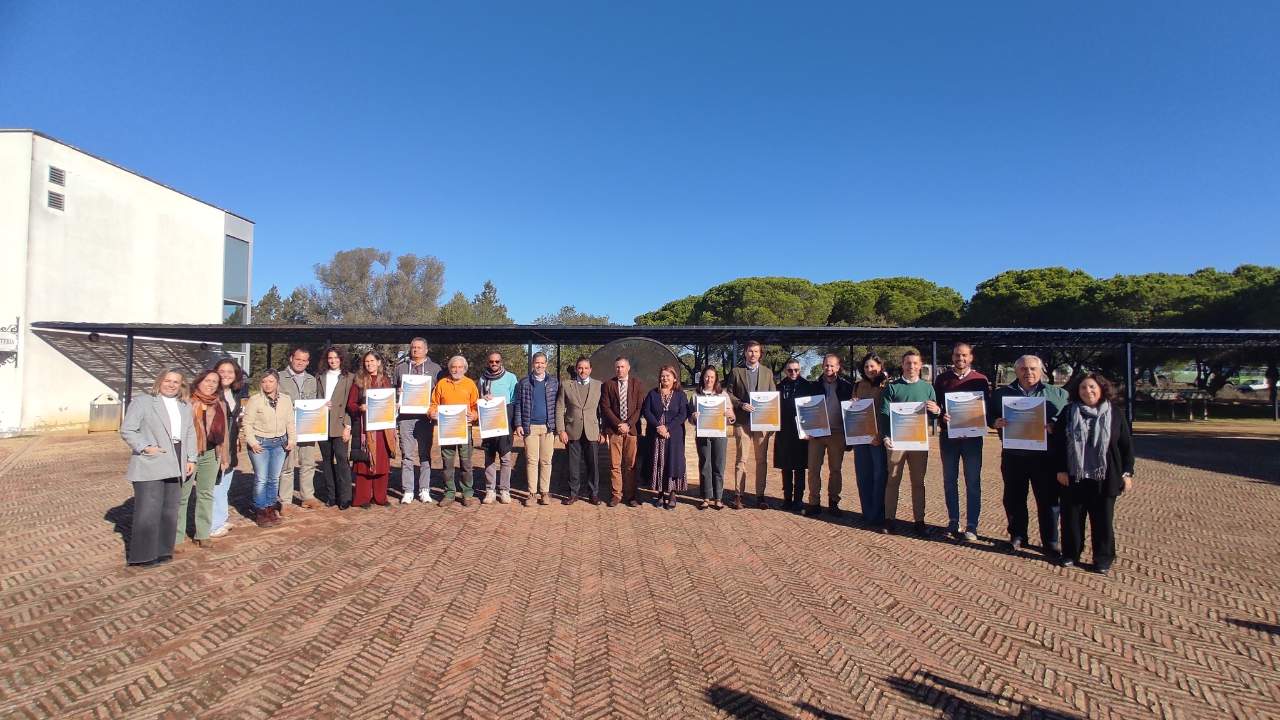
Leave only footprints, take only memories, and respect all forms of life.
Doñana has established itself as a leader in ecotourism, thanks to its strong commitment to sustainability and the promotion of high-quality tourism that is respectful of the environment and beneficial to local communities. This effort has been recognized internationally with distinctions such as the European Charter for Sustainable Tourism in Protected Natural Areas, its designation as a UNESCO Biosphere Reserve, and its participation in initiatives like Soy Ecoturista, which promote a responsible tourism model in harmony with nature.
Doñana is Europe’s largest wetland and a vital habitat for biodiversity, serving as a migratory corridor between Africa and Europe. Its origins as a protected area date back to the 1950s, thanks to scientists such as José Antonio Valverde and Francisco Bernis, who halted land reclamation projects and secured the formal designation of the National Park in 1969. The conservation of the area has evolved from a modest 6,700-hectare reserve to the current Doñana Natural Area, which spans over 128,000 hectares.
Doñana has been protected and recognized through various national and international designations and awards:
- 1969: Official creation of Doñana National Park, protecting its most fragile ecosystems and the habitat of critically endangered species such as the Iberian lynx.
- 1980: Designated a Biosphere Reserve by UNESCO, recognizing its ecological value internationally.
- 1982: Included on the Ramsar List of Wetlands of International Importance.
- 1989: The Regional Government of Andalusia approved the designation of the Doñana Natural Park for the surrounding area, drastically expanding the protected territory.
- 1994: UNESCO designates Doñana a World Heritage Site.
- 2006–2016: Significant expansions of the protected area are carried out, consolidating an ecological corridor and safeguarding the marshland, dune, and Mediterranean scrub ecosystems.
However, the commitment to sustainability in Doñana is based on the active protection of its natural resources, the balance between human activity and conservation, and the promotion of an environmentally friendly development model. Initiatives in this area are aimed at preserving habitats, ensuring the responsible use of water—a particularly sensitive resource in the area—and promoting agricultural and tourism practices compatible with conservation.
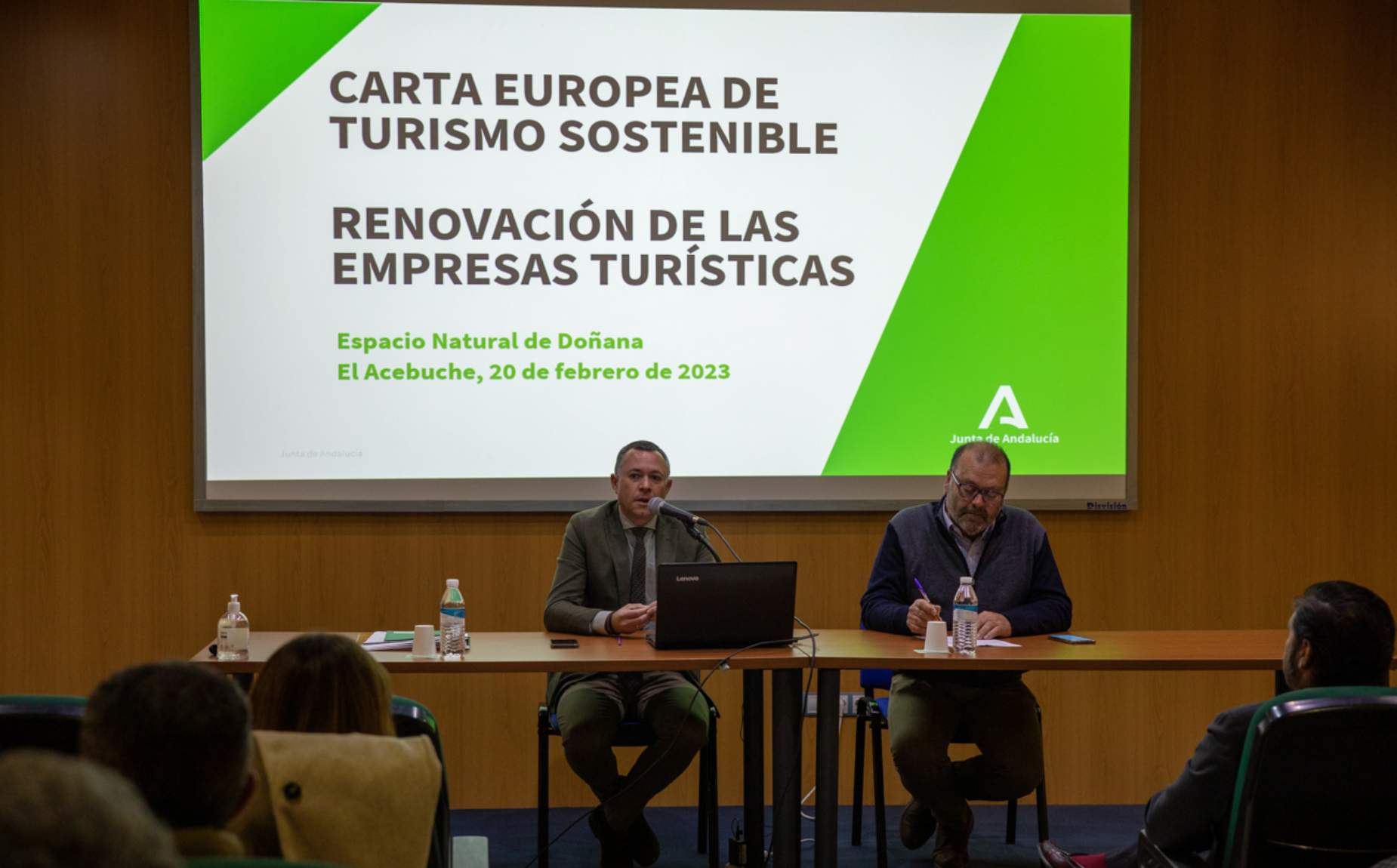
In the field of tourism, it is worth noting that in 2006 Doñana signed the European Charter for Sustainable Tourism in Protected Areas (CETS) of the EUROPARC Federation, a distinction it maintains today thanks to the participatory definition and implementation of strategies and action plans every five years to promote sustainable tourism development in the region, with the involvement of the main local public and private stakeholders. In addition, 28 tourism companies in Doñana have joined Phase II of the CETS, making their own sustainability commitments and strengthening their collaboration with the protected area.
Since 2016, the destination has also been part of the Ecotourism in Spain product club and its Soy Ecoturista brand, demonstrating the region’s commitment to tourism that contributes to biodiversity conservation and local development.
Recently, various destination-level tourism sustainability plans have also been developed in the area:
- Doñana Sevillana PSTD
- PSTD Litoral-Condado de Huelva
- PSTD Condado de Huelva Wine Route