

DOÑANA
Doñana, a natural paradise of water and biodiversity

Universal Biodiversity Territory.
Doñana invites you to lose yourself among the marshes, dunes, and wildlife… and to reconnect with what truly matters.
Doñana is an international benchmark for its extraordinary diversity of flora, fauna, and landscapes, featuring geological features of immense value. Its European significance as a major wetland at the southern tip of the continent is outstanding, and it boasts a magnificent network of visitor centers, trails, and observation points that will delight even the most discerning ecotourist.
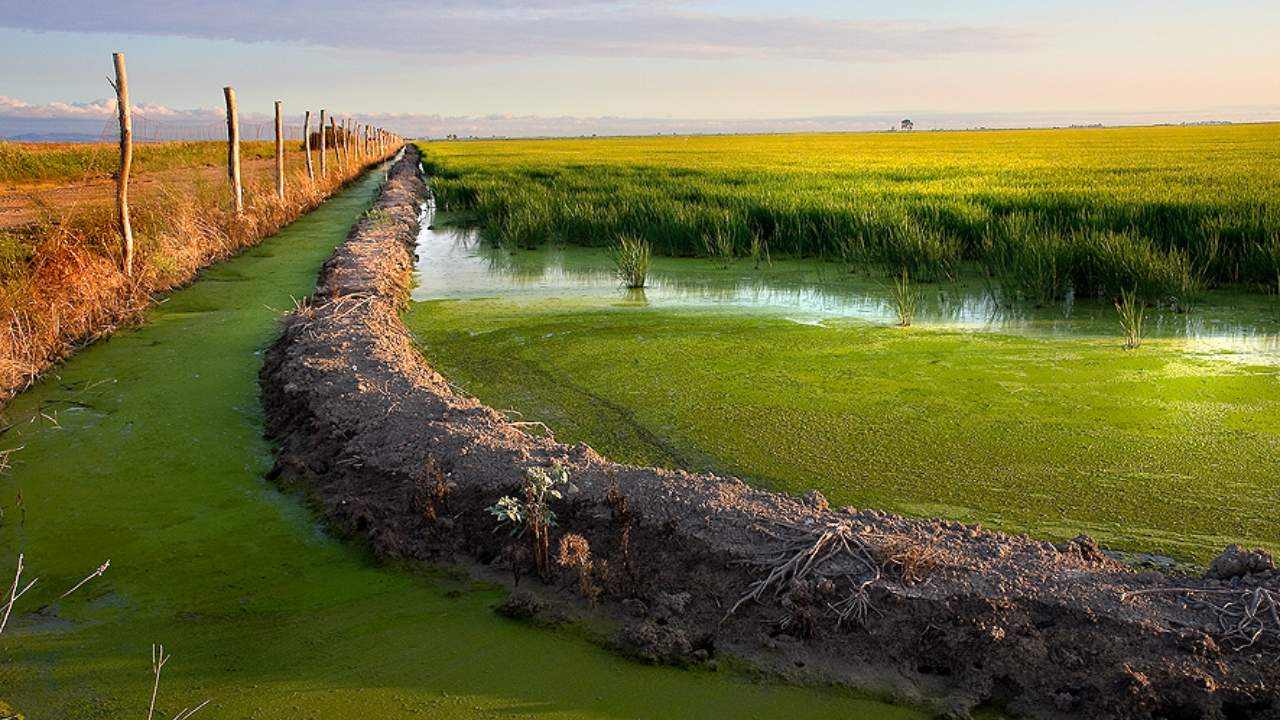
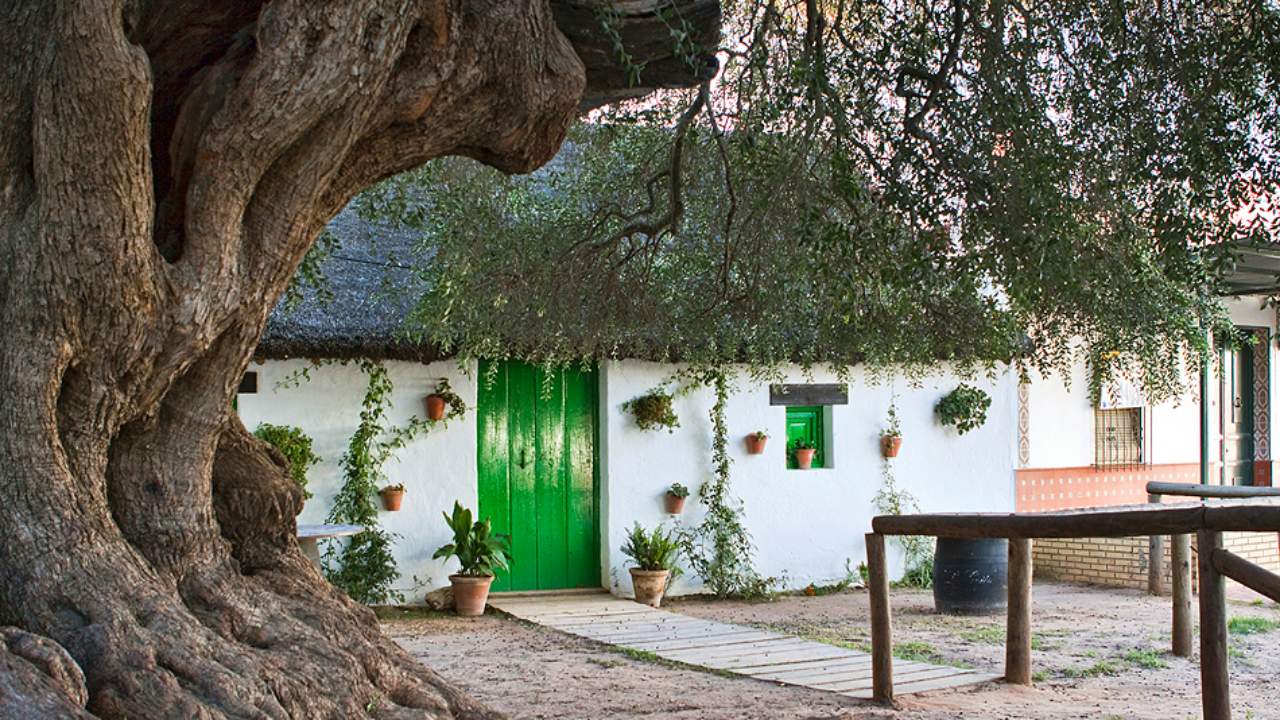
Its landscapes are irresistibly enchanting. Marshes, dunes, pine forests, and Mediterranean scrub (known as cotos), the vera (the transition zone between the forest and the marsh), lagoons, and the beach. Ecosystems linked to such iconic wildlife species as the Iberian lynx or the imperial eagle, in addition to a vast array of waterfowl. Rice paddies, horse breeds such as the Marismeña or El Caballo de las Retuertas, as well as the Marismeña cattle breed, with its unique wild cows, are also part of the landscape’s identity.
A region also rich in culture and history. Of deeply rooted traditions, as varied and spectacular as the Romería de El Rocío, the Saca de las Yeguas, or the horse races on Sanlúcar Beach. Of the history of sailors and adventurers. It is a region of local products such as its rice dishes, its wines, its grape must, its crabs, its pine nuts, its berries, its honey, its prawns, and the meat of the Mostrenca calf…
Doñana is a unique area that combines rich biodiversity, ecological significance, and human presence. It is an icon of the southernmost tip of the continent. This region, with its extraordinary ecological and landscape diversity, has been designated a Biosphere Reserve by UNESCO for the quality of its natural heritage and the close relationship between nature and its inhabitants.
The Doñana Biosphere Reserve is a vast territory of nearly 270,000 hectares that encompasses the Doñana Natural Area, comprising the Doñana National Park and the Doñana Natural Park, and a socioeconomic area that includes 14 municipalities (12 of which have part of their municipal territory within the Doñana Natural Area) in the provinces of Huelva, Seville, and Cádiz, notably regions such as El Condado (Huelva) and Aljarafe (Seville). These municipalities maintain ecological, cultural, and economic ties with the protected area. These municipalities are Sanlúcar de Barrameda (Cádiz), Almonte, Bollullos Par del Condado, Bonares, Hinojos, Lucena del Puerto, Moguer, Palos de la Frontera, and Rociana del Condado, in the province of Huelva, and Aznalcázar, Isla Mayor, La Puebla del Río, Pilas, and Villamanrique de la Condesa in the province of Seville.
Doñana is renowned for its variety of ecosystems, characterized primarily by its clayey and sandy soils. Marshes, dunes, woodlands, riverbanks, and beaches are its distinctive habitats. Among its botanical riches, the stone pine, the camarin, the creeping juniper, the mastic tree, the dune barren, the cork oak, the Doñana violet, the glasswort, the jaguarzos, and others stand out.
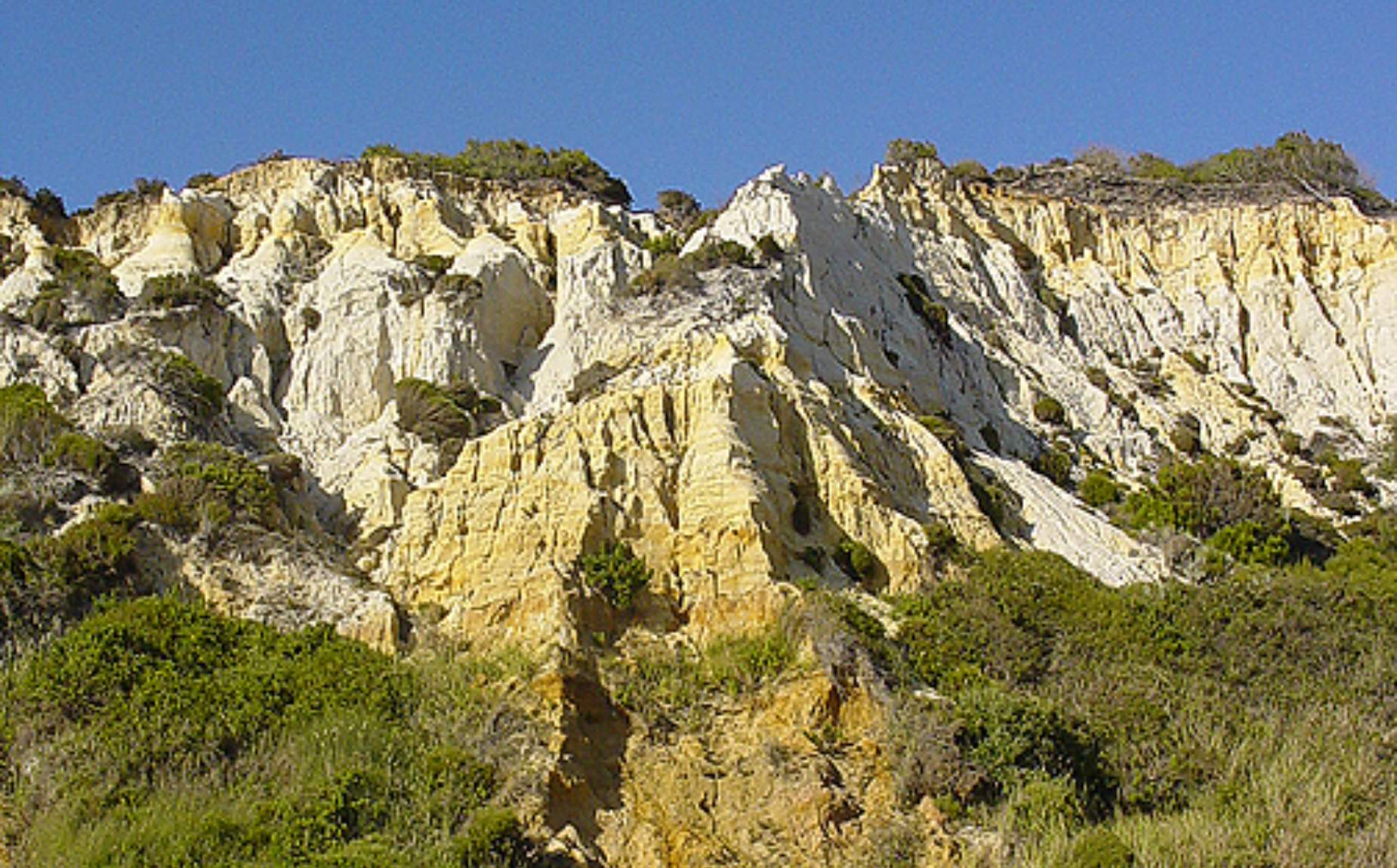
On the coast, its beaches are undoubtedly the highlight. Did you know that the beach in Doñana National Park is the longest in Spain? It stretches for 28 kilometers of endless sand!Its dune systems feature fixed dunes, shifting dunes… and fossils. Have you heard of the Dune Trail or the Asperillo Cliffs?
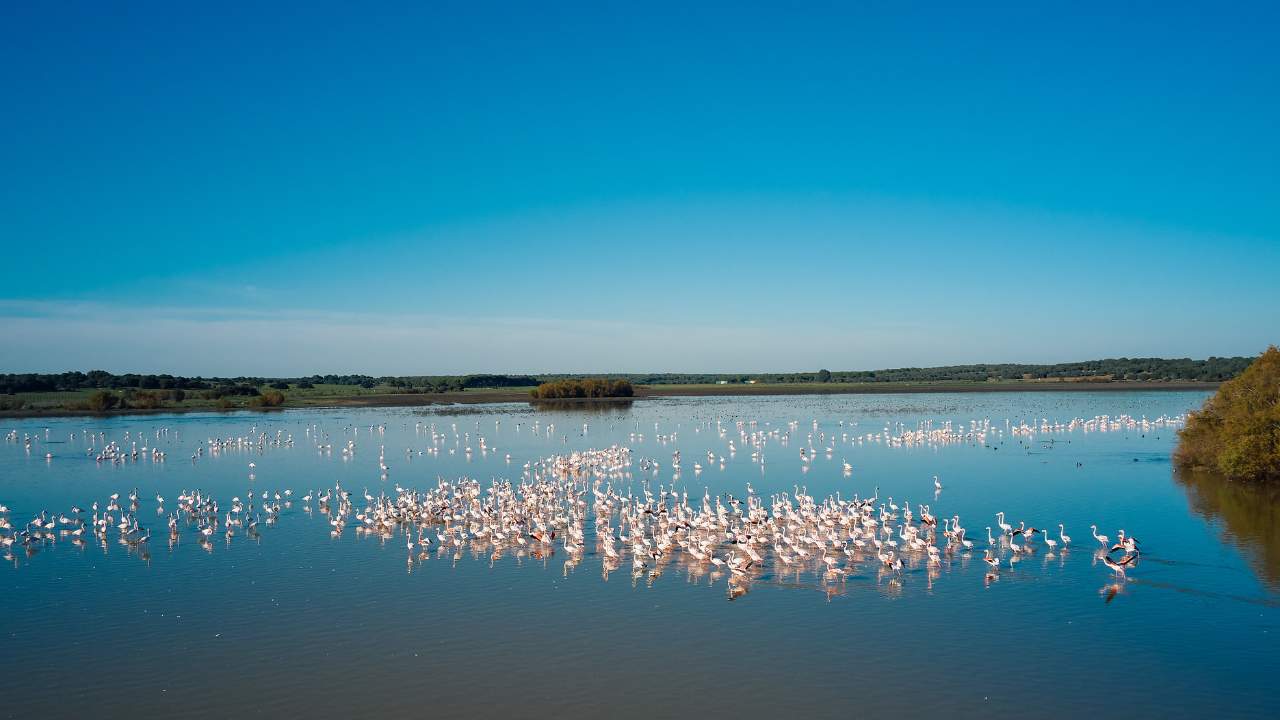
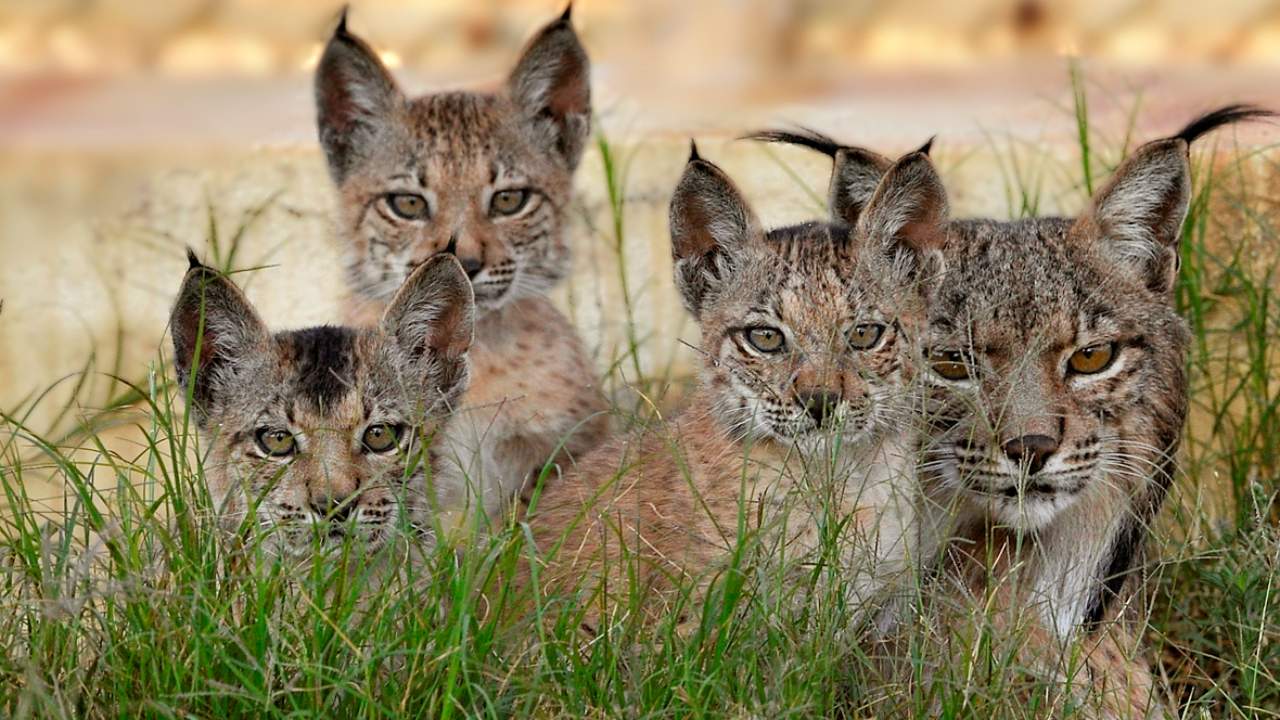
Among the wildlife species, the Iberian lynx—which found one of its last strongholds here at the beginning of this century—and the Iberian imperial eagle—which also found a key refuge for the species in Doñana—are perhaps its most representative and iconic animals. But they are certainly not the only outstanding ones. Deer, fallow deer, otters, badgers, wild boars, and foxes stand out among the mammals. Reptiles and amphibians such as the chameleon, the spur-thighed tortoise, the ocellated lizard, the common whip snake, and the Spanish water lizard, as well as the more than 300 bird species that find in this southern ornithological paradise their breeding grounds or migratory resting areas. It is difficult to single out any one bird species: the red kite, the flamingo, the white-headed duck, and the greylag goose are just a few notable examples, in addition to countless herons and shorebirds. Waterfowl are one of Doñana’s great natural symbols.
In the early and late hours of the day, Doñana’s wildlife is most active, coinciding with colorful sunrises and sunsets against its stunning landscapes.
This ecotourism destination awaits visitors with countless experiences, as varied as they are irresistible. From 4x4 vehicle tours through the Doñana Natural Park to horseback rides through forests and along beaches, or guided boat tours on the Guadalquivir River, among many other enticing options.
Each of the municipalities within the Doñana Biosphere Reserve contributes its own unique elements to the region, whether through its agricultural traditions, its relationship with water and the marshes, or its historical and cultural heritage.
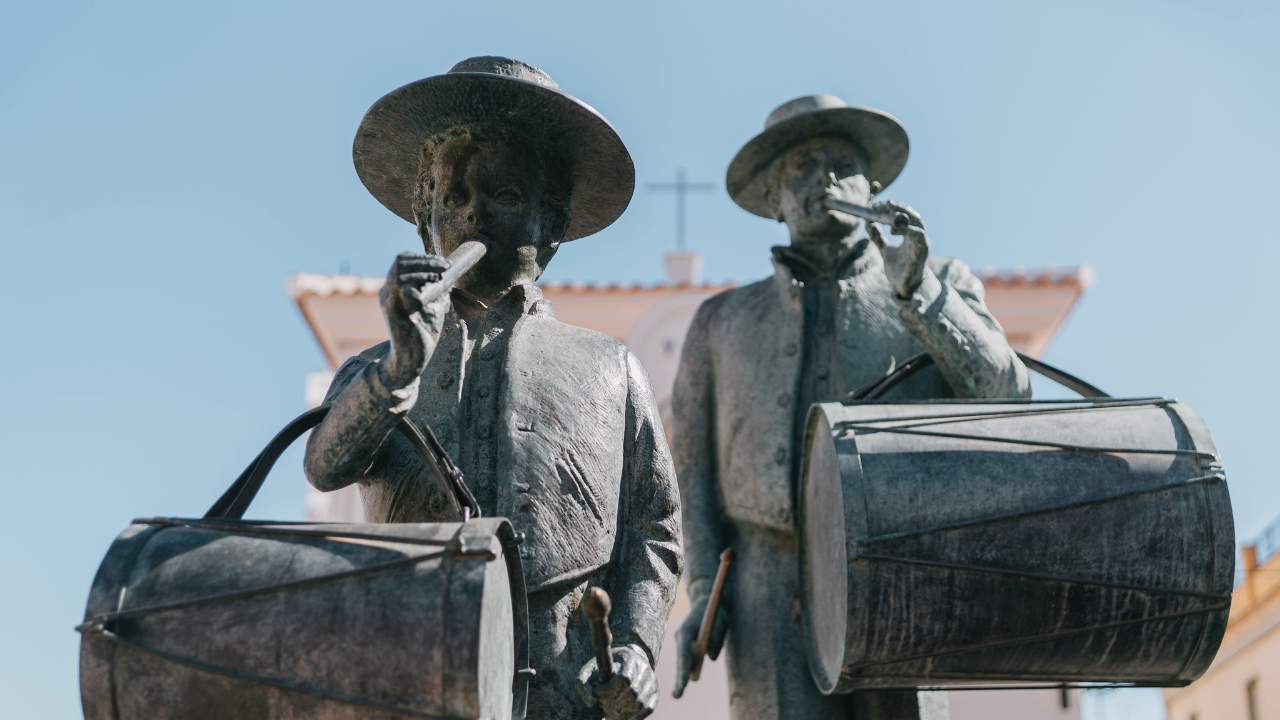
The municipality of Almonte, for example, plays a fundamental role in the cultural identity of the Doñana region, serving as a hub for important folk traditions. Hinojos and Aznalcázar, for their part, are situated in ecological transition zones where the Mediterranean forest and wetlands coexist in balance. La Puebla del Río and Isla Mayor are closely linked to the marshes and to agricultural activity centered on rice cultivation, one of the area’s most characteristic land uses.
In the province of Huelva, municipalities such as Moguer, Palos de la Frontera, and Lucena del Puerto have a strong historical connection to agriculture, particularly the cultivation of berries, which have gained significant economic importance in recent decades. These developments have also posed significant challenges in terms of sustainability and water management, given the delicate hydrological balance of the Doñana system.
Sanlúcar de Barrameda, in the province of Cádiz, adds a unique dimension to the region, as it serves as the western gateway to the natural area via the mouth of the Guadalquivir River. This point where the river meets the Atlantic Ocean is key to sediment dynamics, species migration, and the formation of the marsh ecosystems. And the horse races on Sanlúcar’s beach are very popular.
From a historical and cultural perspective, visitors have a must-see destination in El Rocío, nestled among marshes and sandy streets, featuring the Hermitage and its world-famous pilgrimage attracting millions of devotees. El Rocío is also known as the International Horse Village. Another highlight in the municipality of Almonte is the Saca de las Yeguas, a tradition linked to the Almonte cattle fair that dates back centuries. At this event, which takes place every June 26, the people of Almonte lead their mares and foals from the marshlands to the town of Almonte, where the necessary work is done on the horses before returning them to the marshlands.
La Rábida, in Palos de la Frontera, is another charming spot in this region, as it was from here that the sailors and ships set out on their epic journey to open the door to the American continent.
If you’re interested in crafts, how about the basketry from this corner of Andalusia? Or the embroidery of Manila shawls in Villamanrique de la Condesa.
But if you’d rather go on a culinary tour, here are some options: you can choose between the Rice Route in La Puebla del Río and Isla Mayor (a town also famous for its crabs), the Huelva County Wine Route, and, in part, the Must Route through the wineries of the Aljarafe and Guadalquivir-Doñana regions.
And if you’re left wanting more, let yourself be captivated by the Guadiamar Green Corridor (with a visitor center) as it passes through the Sevillian towns of Aznalcázar and Villamanrique de la Condesa, and by the pine forests of Aznalcázar. Places particularly rich in birdlife in this top destination for birdwatching include the Brazo del Este Natural Area and the Cañada de los Pájaros and Dehesa de Abajo Nature Reserves.
Photos:Cover and 5: Prodetur Archive / Seville Provincial Tourism1, 2, 3, 4, and 6: Doñana 21 Foundation