

Nature Observation in Doñana
Experience the wildest side of Doñana
Experience the wildest side of Doñana
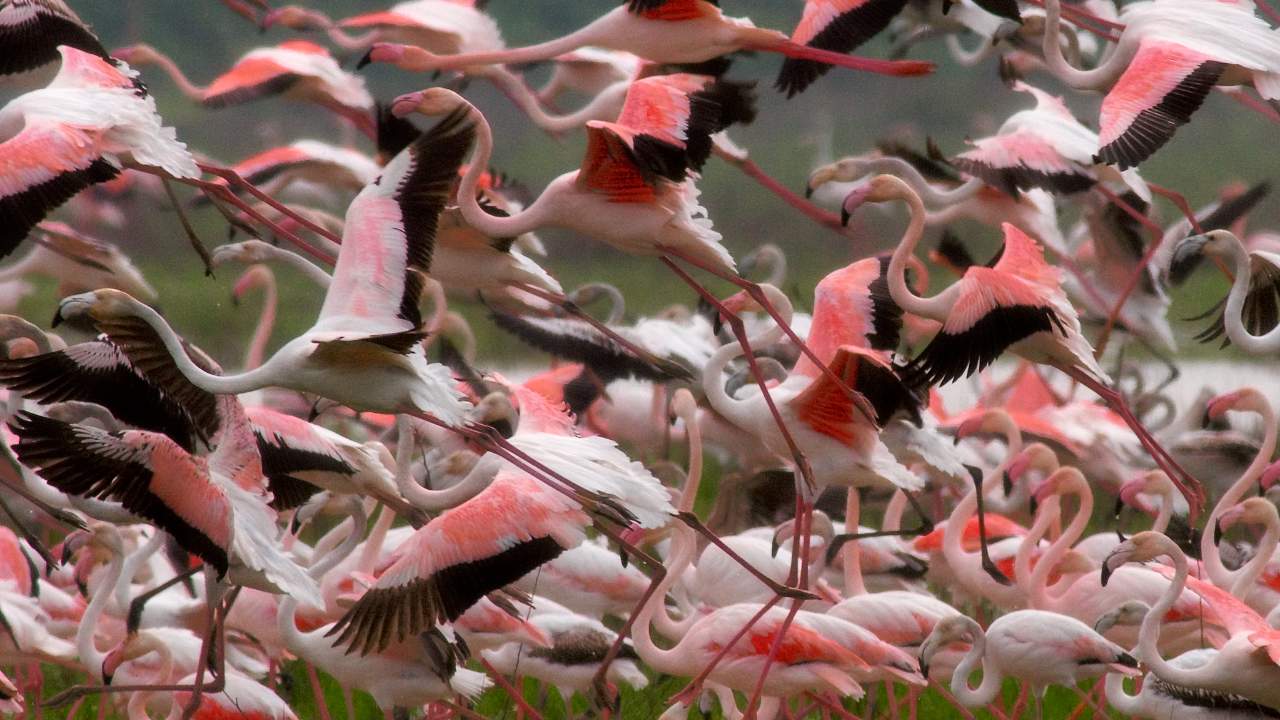
In addition to its unique character, the Doñana region is world-renowned for its biodiversity. Here are a few suggestions for exploring its natural attractions.
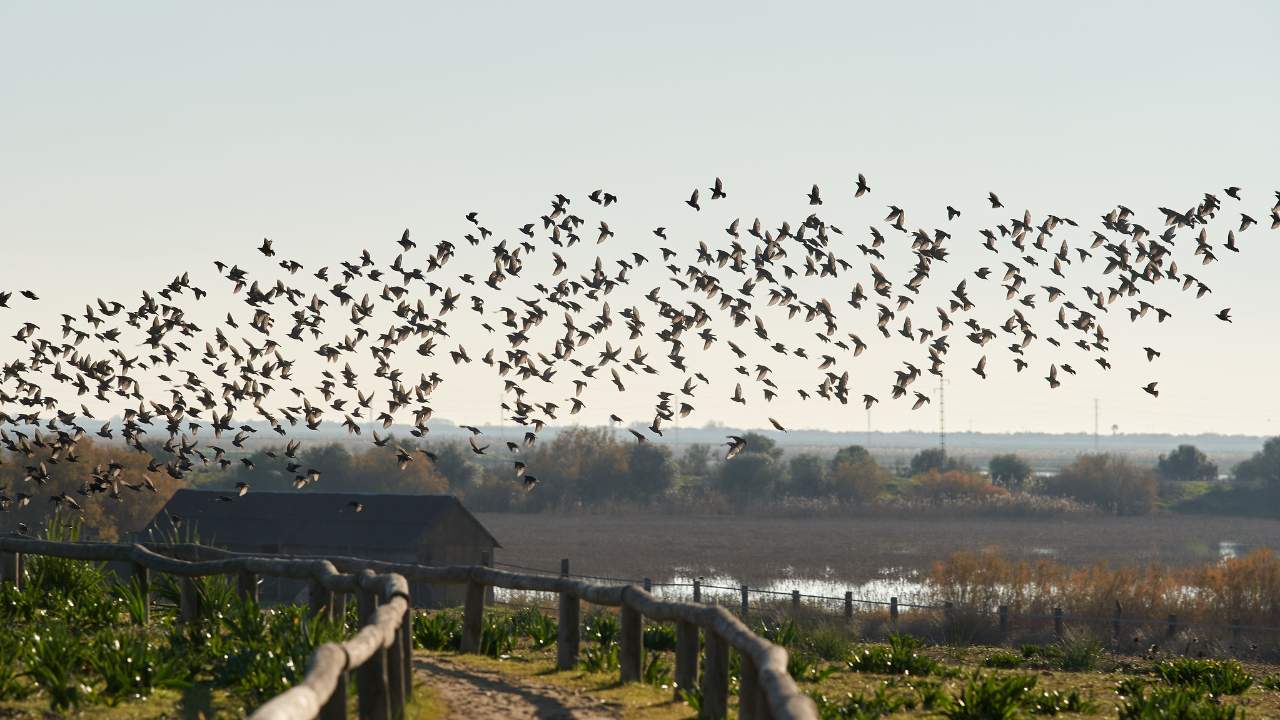
Birdwatching at Cañada de los Pájaros and Brazo de la Torre.
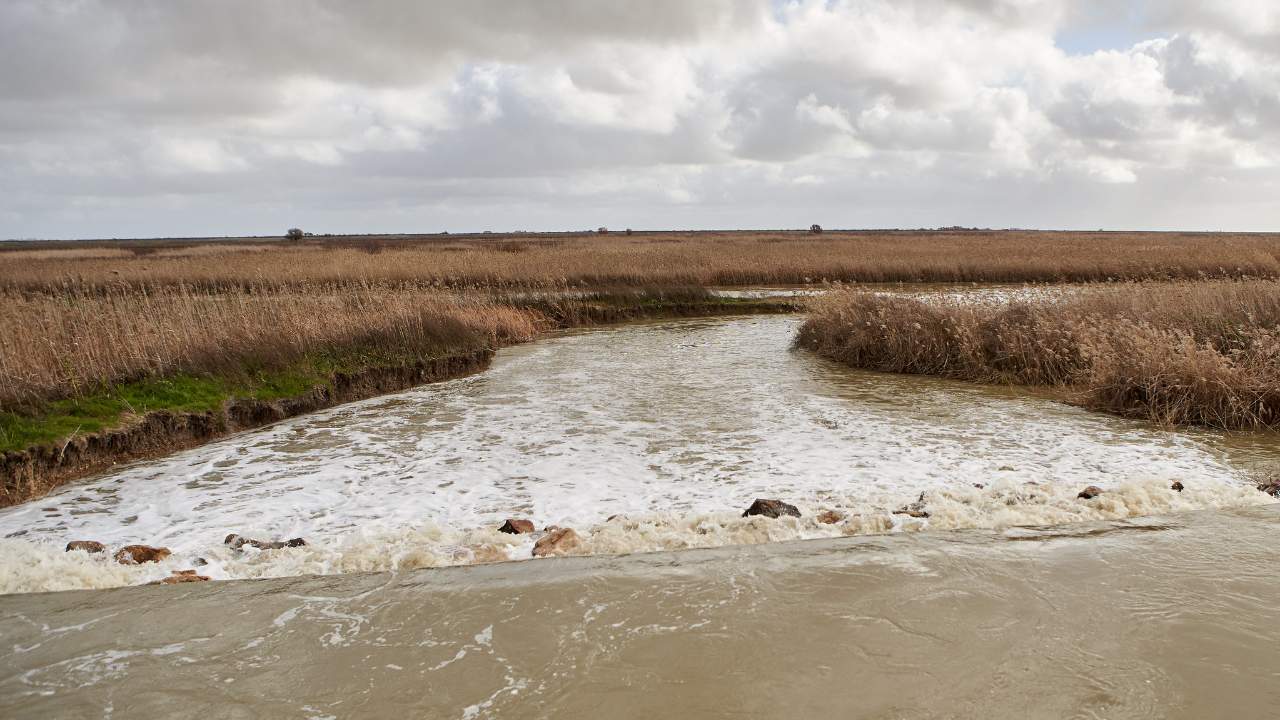
The Brazo de la Torre is the westernmost of the three branches of the Guadalquivir River. Transformed and smaller than in the past, it has a permanent water supply, making it a magnet for birds and therefore one of the best spots for birdwatchers. Visit the Entremuros marshes (Isla Mayor-Aznalcázar) to see for yourself.
La Cañada de los Pájaros is a privately owned and managed wetland created through the restoration of a former gravel pit, where breeding programs for endangered species (great crested grebe, marbled teal, common pochard, etc.) are carried out. It is a leading example of environmental education and, of course, a magnificent spot for birdwatching.
Dunar Trail and Asperillo Cliffs
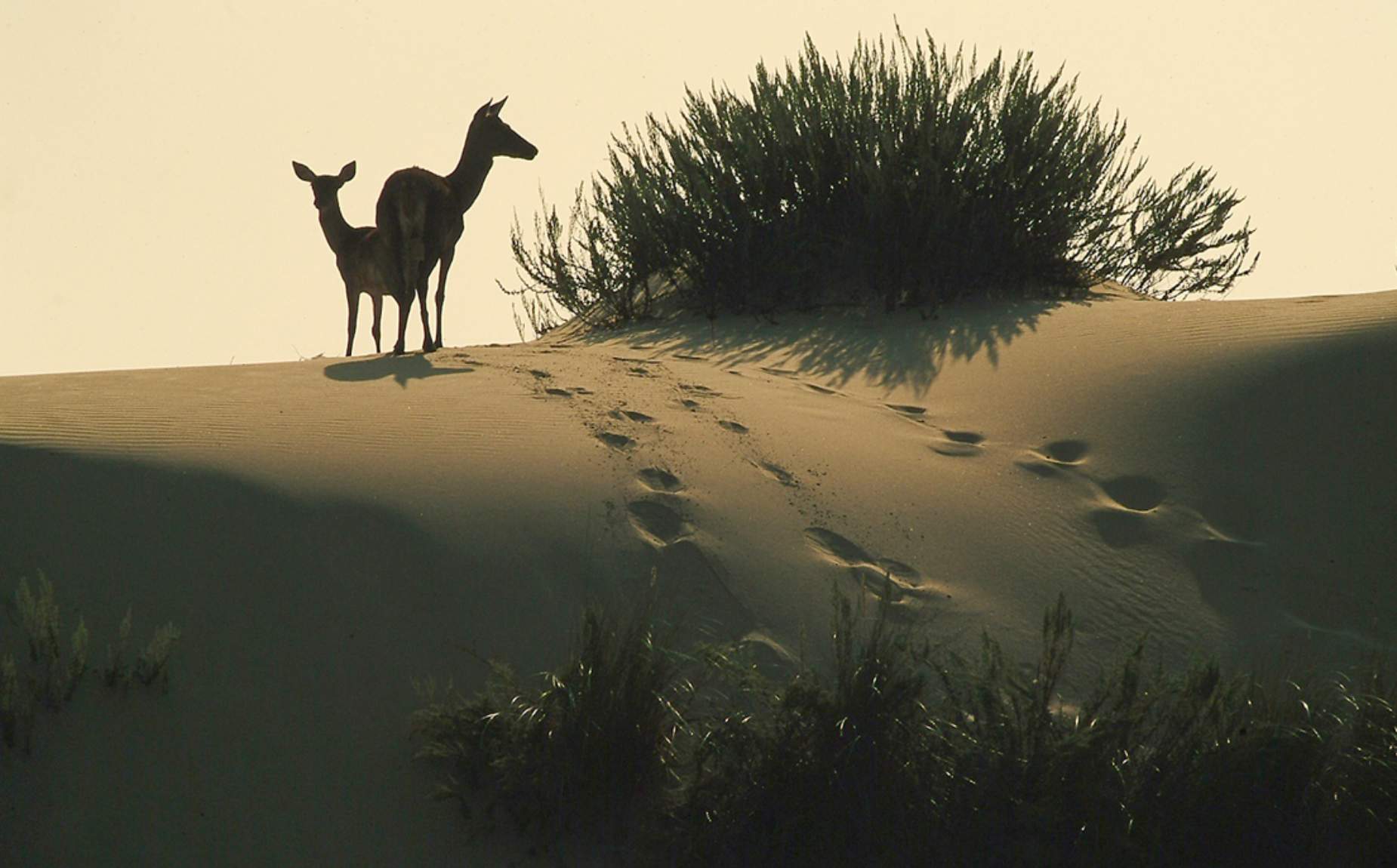
The dunes are one of Doñana’s most iconic and representative ecosystems. The area features dune systems comprising fixed dunes, shifting dunes, and fossil dunes.
The Dune Trail (1.5 km) in Matalascañas is an excellent way to explore and learn about living or shifting dunes, observing the evolution of the dune system from embryonic dunes to the first dune field where large trees begin to appear.
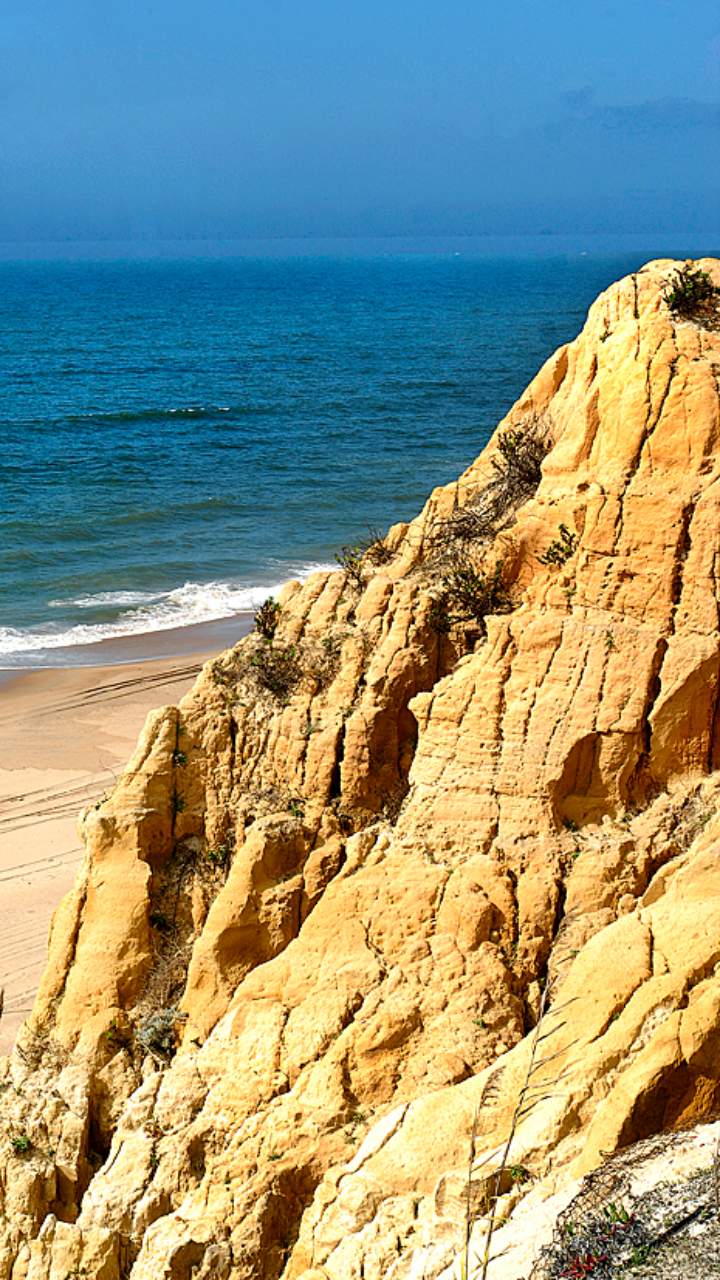
Nearby is the Acantilado del Asperillo, the tallest sandy cliff in Europe (over 100 meters high above the beach). This Andalusian Natural Monument is a succession of fossil dunes, estimated to be 14,000–15,000 years old, though Neanderthal footprints dating back some 150,000 years have also been found there.
You’ll be captivated by its layers of orange, ochre, and white hues, and the Cuesta Maneli viewpoint will leave you speechless.
Dehesa Boyal and San Lázaro Lagoon in Villamanrique de la Condesa
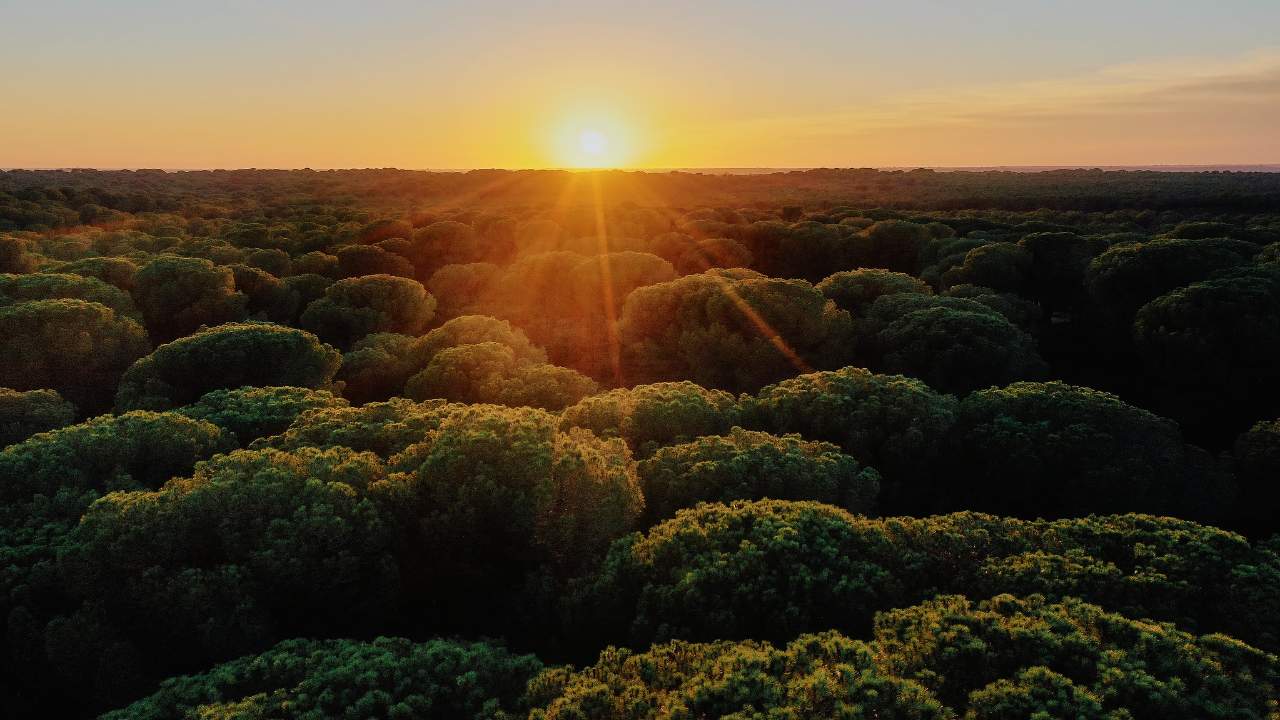
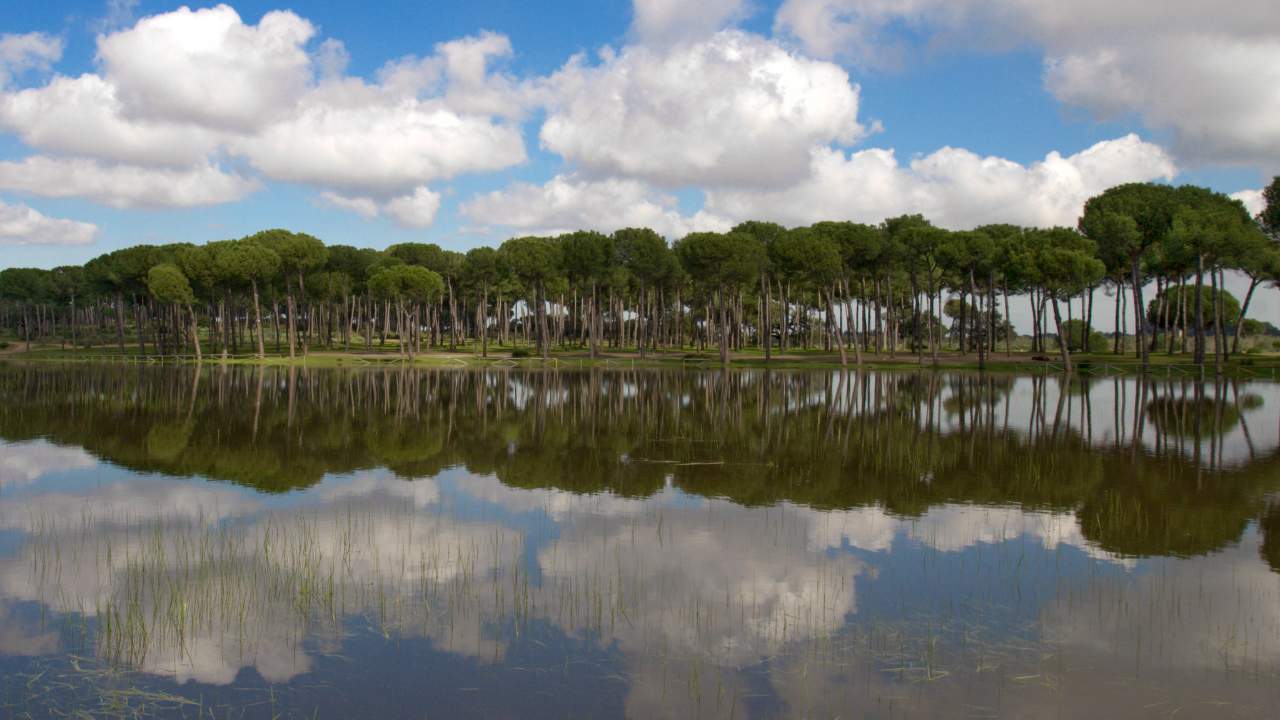
The Dehesa Boyal in this Seville municipality is a forest of holm oaks and stone pines that is also home to the San Lázaro lagoon, another representative ecosystem of the neighboring Doñana Natural Park. You can access it from the Dehesa Boyal visitor center, which offers information on the forest’s uses, natural resources, and an exhibition focused on the lynx.
Iberian Lynx Observatory in El Acebuche
Face to face with Doñana’s most iconic animal. Next to the El Acebuche Visitor Center, in the Natural Park within the Doñana Natural Area, the “Huerto y Pajas” trail leads to the facilities where visitors have the opportunity to enjoy (and learn about) several Iberian lynx from the observatory. The visit is free, but reservations must be made through authorized ecotourism companies that offer guided tours or in the company of Doñana Natural Area staff.
In addition to these suggestions, there are other spots that are highly recommended for wildlife viewing. Be sure to visit the observation points at: Laguna del Tarelo, Llanos de Velázquez, the José Antonio Valverde Visitor Center observation point, and all the observation points associated with the Rocina and Acebuche Visitor Centers and the Acebrón Trail.
And don’t forget the Laguna Jaral, Ribetheilo, and Arboreto Villar trails
Photographs
Cover, 1, 2, 3, 5, and 6: Prodetur Archive / Seville Provincial Tourism Office 4: Doñana 21 Foundation