

PROTECTED AREAS
Biosphere Reserve, UNESCO Global Geopark, and Natura 2000 Network.
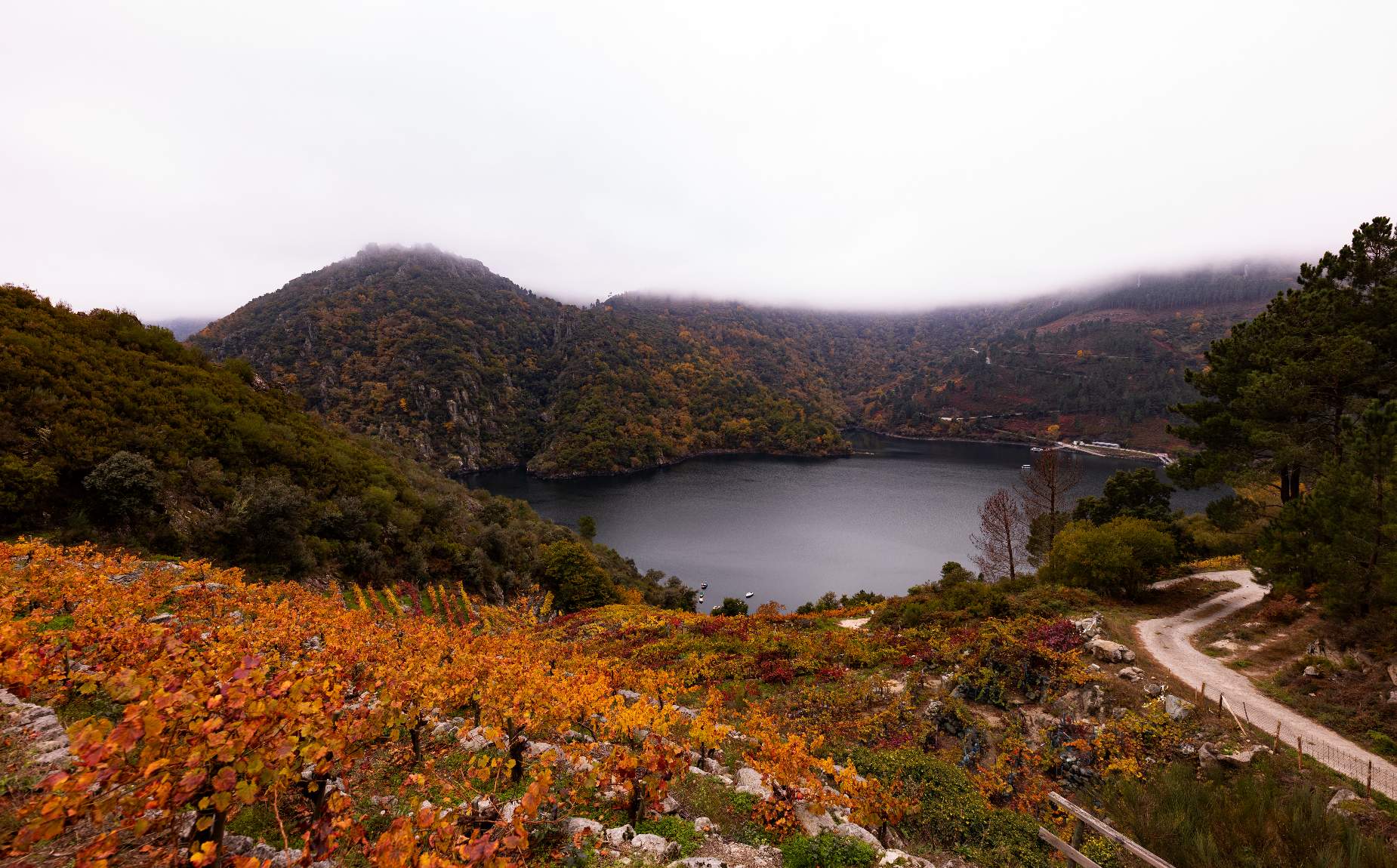
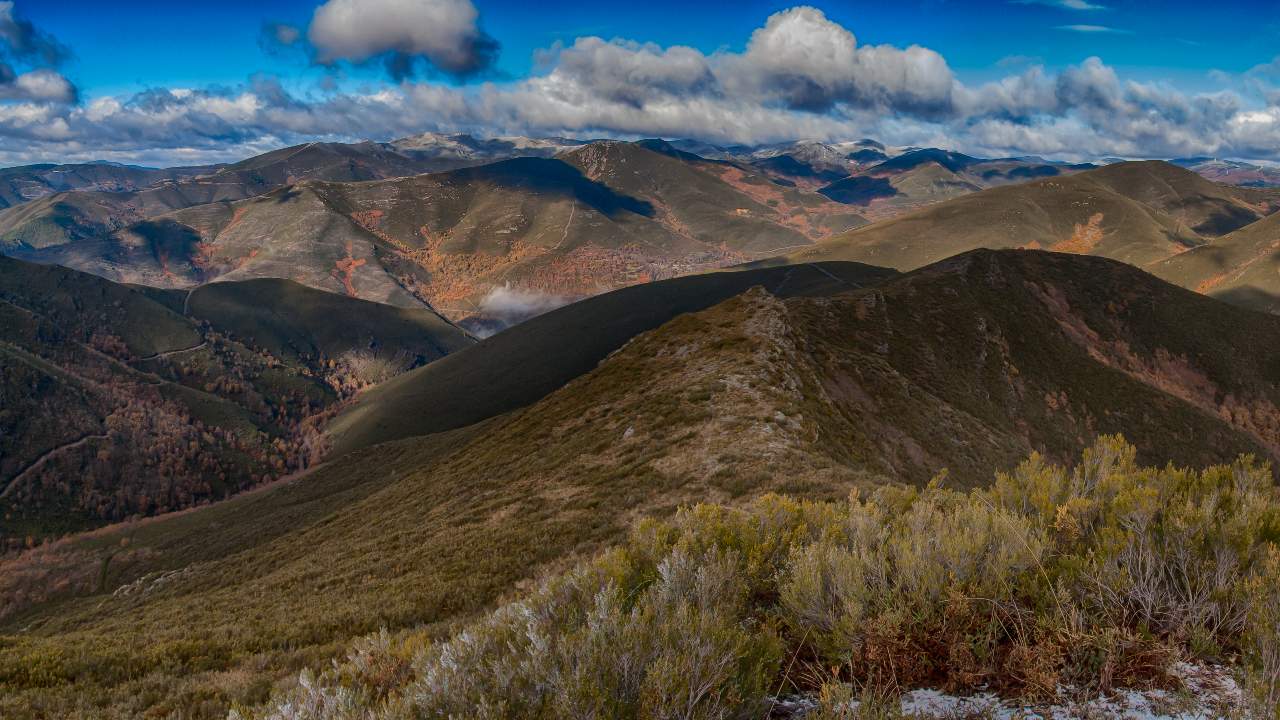
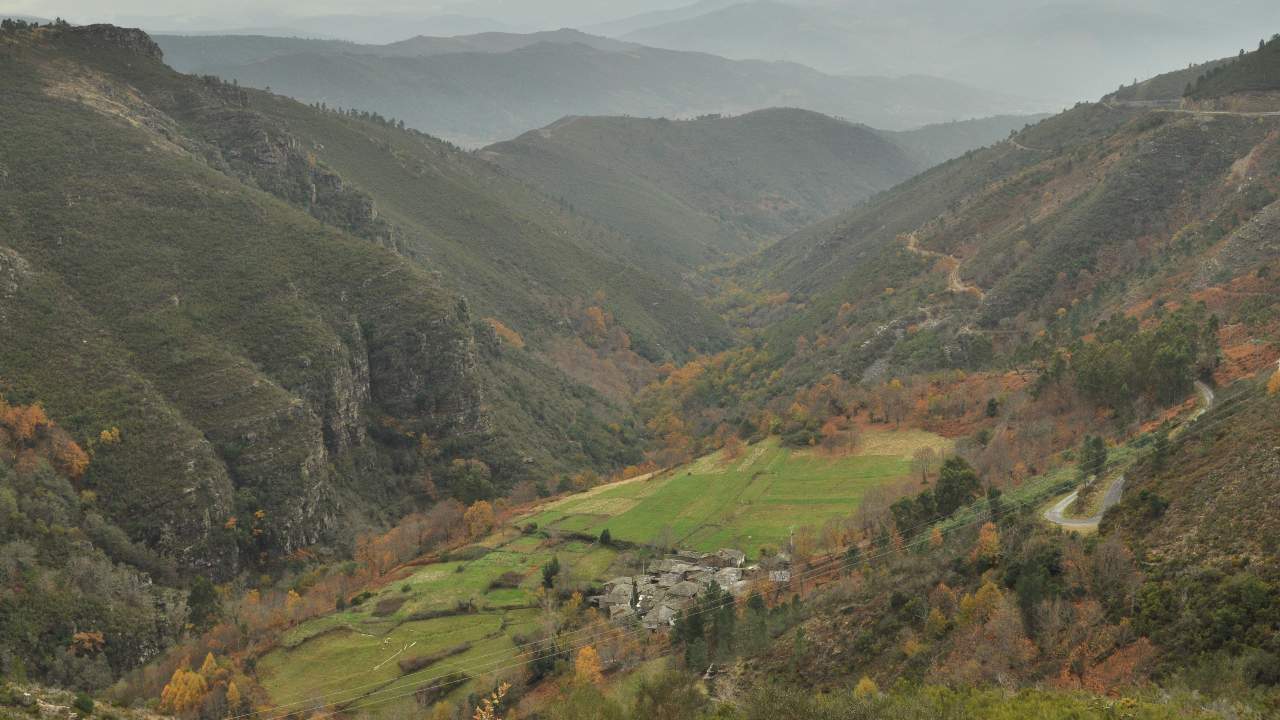
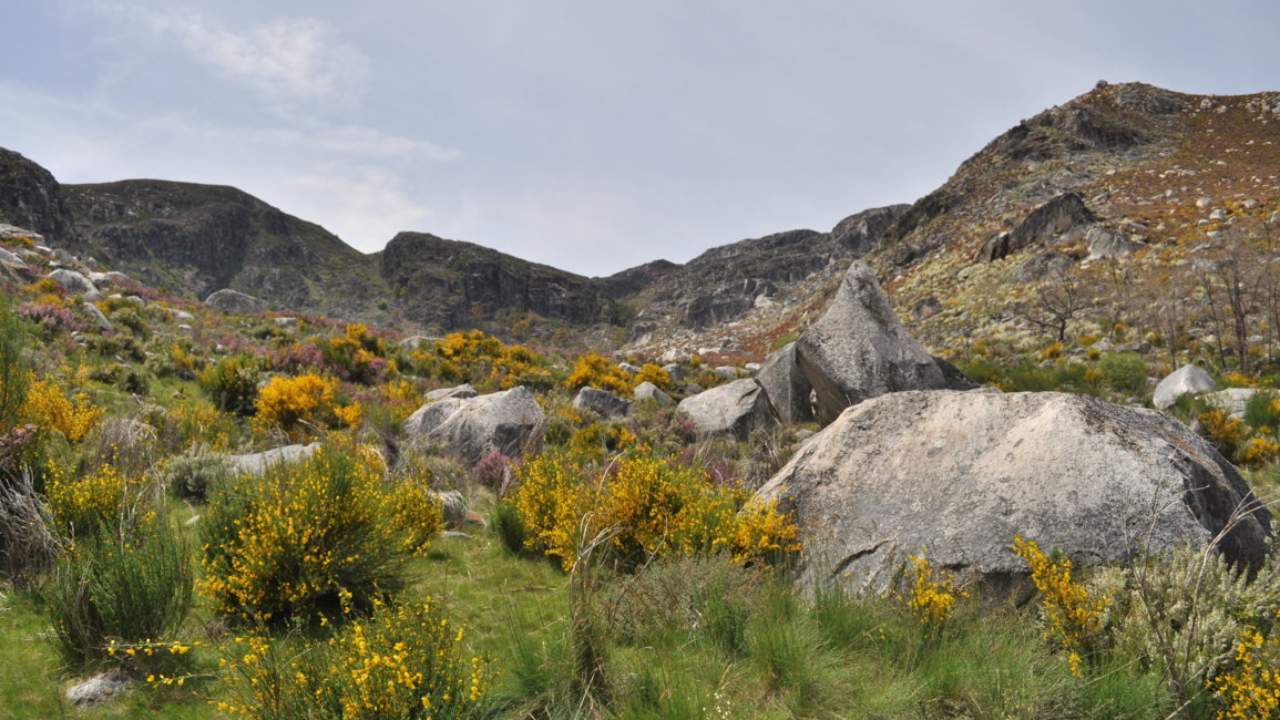
Biosphere Reserve, UNESCO Global Geopark, and Natura 2000 Network.
The Ribeira Sacra region is home to a variety of protected natural areas. Different protection statuses and management tools for an exceptional region:
Ribeira Sacra and Serras do Oribio and Courel Biosphere Reserve (UNESCO).
The current landscapes of river valleys and glacial valleys actually correspond to a significant and much broader episode in the planet’s geological history, specifically the Lower and Middle Paleozoic, and to a lesser extent also the late Tertiary and Quaternary periods. Humans have been part of these landscapes for 4,000 years, and since time immemorial, they have attracted monks and hermits who gave this area along the banks of the Sil and Miño rivers the nickname Ribeira Sacra. Its impressive historical and cultural heritage—notably including viticulture dating back to Roman times—combines with the region’s well-preserved natural environment—where geological and botanical features stand out, alongside a fauna that is equally remarkable—to form a perfect blend that led UNESCO to designate Ribeira Sacra and Serras do Oribio e Courel as a Biosphere Reserve in the summer of 2021. The youngest of the seven Galician biosphere reserves accounts for 10% of the autonomous community’s mainland territory.
The total area of the reserve covers 306,535 hectares spread across 23 municipalities in the provinces of Lugo and Ourense, of which 18 municipalities belong to the Ribeira Sacra geodestination (in Lugo: Bóveda, Carballedo, Chantada, Monforte de Lemos, Pantón, Paradela, A Pobra do Brollón, Portomarín, Quiroga, Ribas de Sil, O Saviñao, Sober, and Taboada; in Ourense: A Peroxa, A Teixeira, Castro Caldelas, Nogueira de Ramuín, and Parada de Sil).
The Reserve’s territory encompasses a total of nine protected areas: the Montañas do Courel Geopark, the Monte Faro Special Area of Conservation (SAC), the Pena Veidosa SAC, the Río Cabe SAC, the O Courel SAC, the Canón do Sil SAC, the Bidueiral de Montederramo SAC, the Campodola-Leixazós Folding Natural Monument, and the Loio-Ruxidoira National Nature Reserve (ENIL).
UNESCO Courel Mountains Global Geopark.
The most notable feature of this UNESCO Global Geopark—one of 18 in Spain (the country with the second-highest number of geoparks in the global network)—is humanity’s relationship with the Paleozoic era. This relationship is rooted in the use of building stones, industrial minerals, and other geological resources dating back to prehistoric times.
The UNESCO Global Geopark Montañas do Courel was established in 2019 through the union of the municipalities of Folgoso do Courel, Quiroga, and Ribas de Sil, in the south of the Province of Lugo, and covers an area of 578 square kilometers.
The Geopark’s outstanding geological heritage is of a tectonic and geomorphological nature, with the global geosite “Recumbent Folds of the Sierra do Courel” standing out internationally. Among the recumbent folds, the one visible in the Campodola–Leixazós section is particularly noteworthy; this is a geological site of international significance protected as a Natural Monument.
This UNESCO Global Geopark offers magnificent public access, featuring twenty-six viewpoints, eight museums and interpretation centers, and more than 180 km of trails.
Red List of Natura 2000.
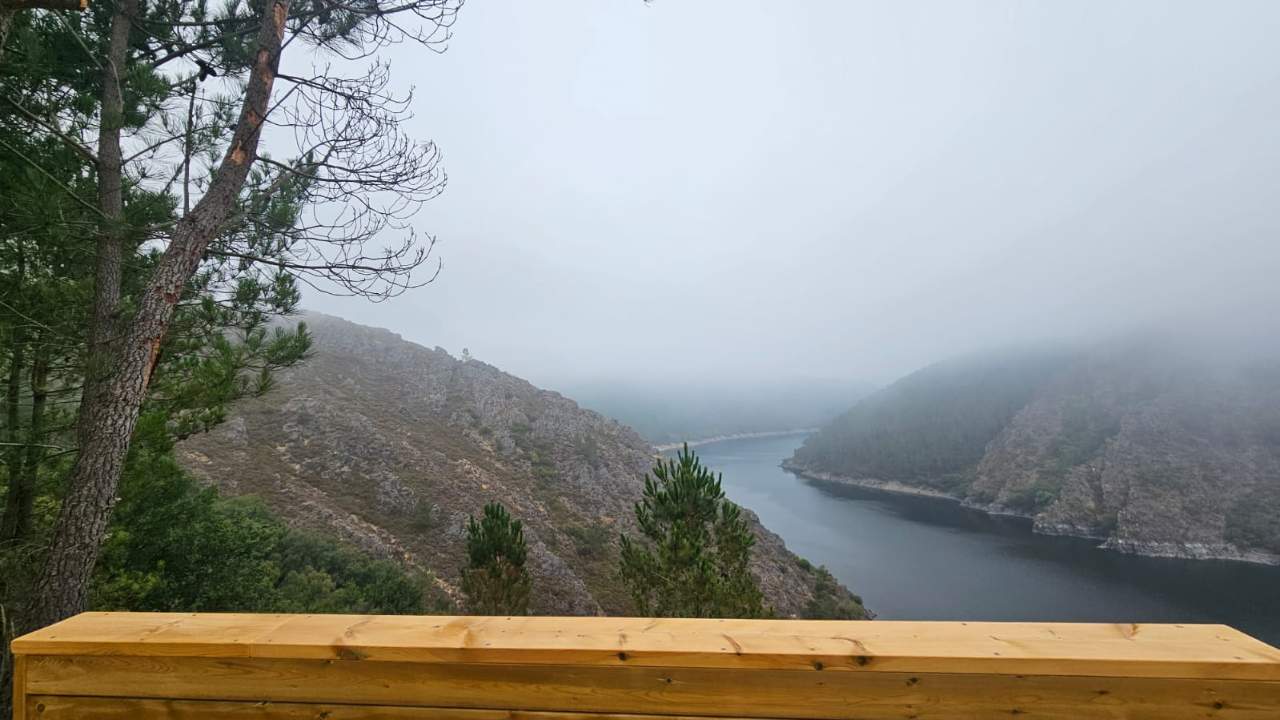
The Ribeira Sacra boasts a wealth of natural areas within the Natura 2000 network: the Sil River Canyon, its tributary the Cabe River, O Courel, Pena Veidosa, Monte Faro, the Montederramo Birch Forest, and the Central Massif.
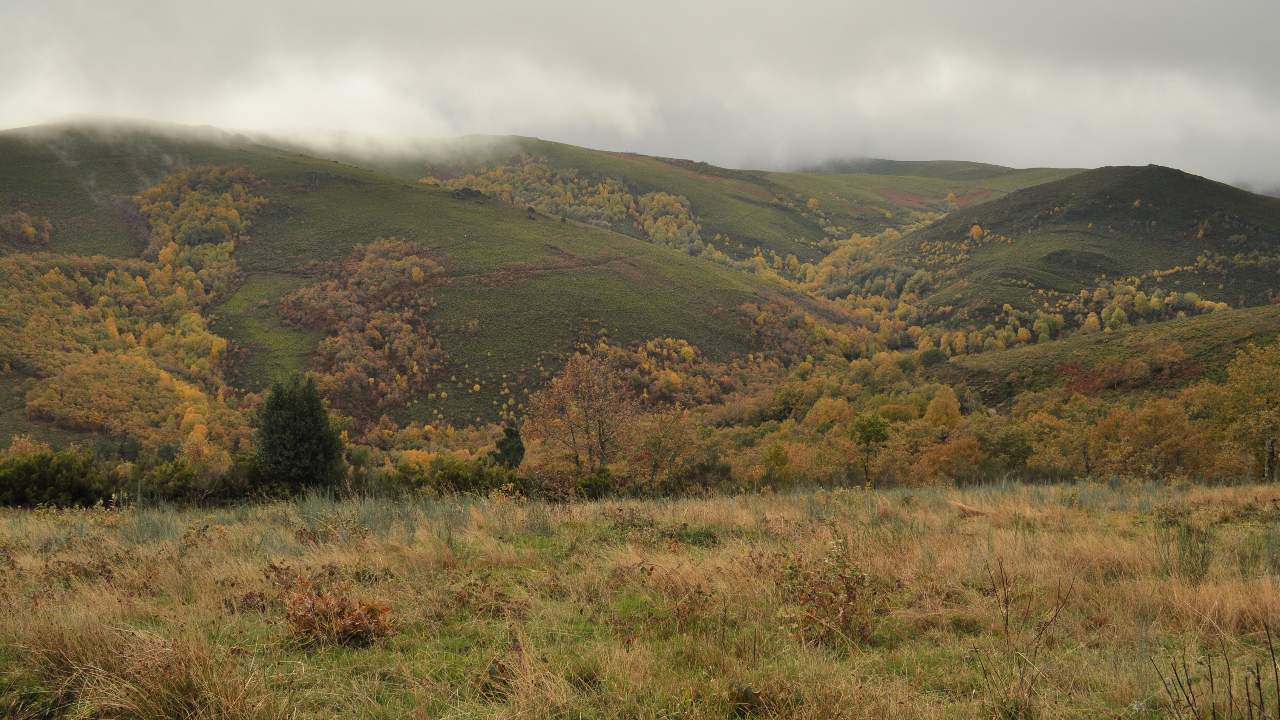
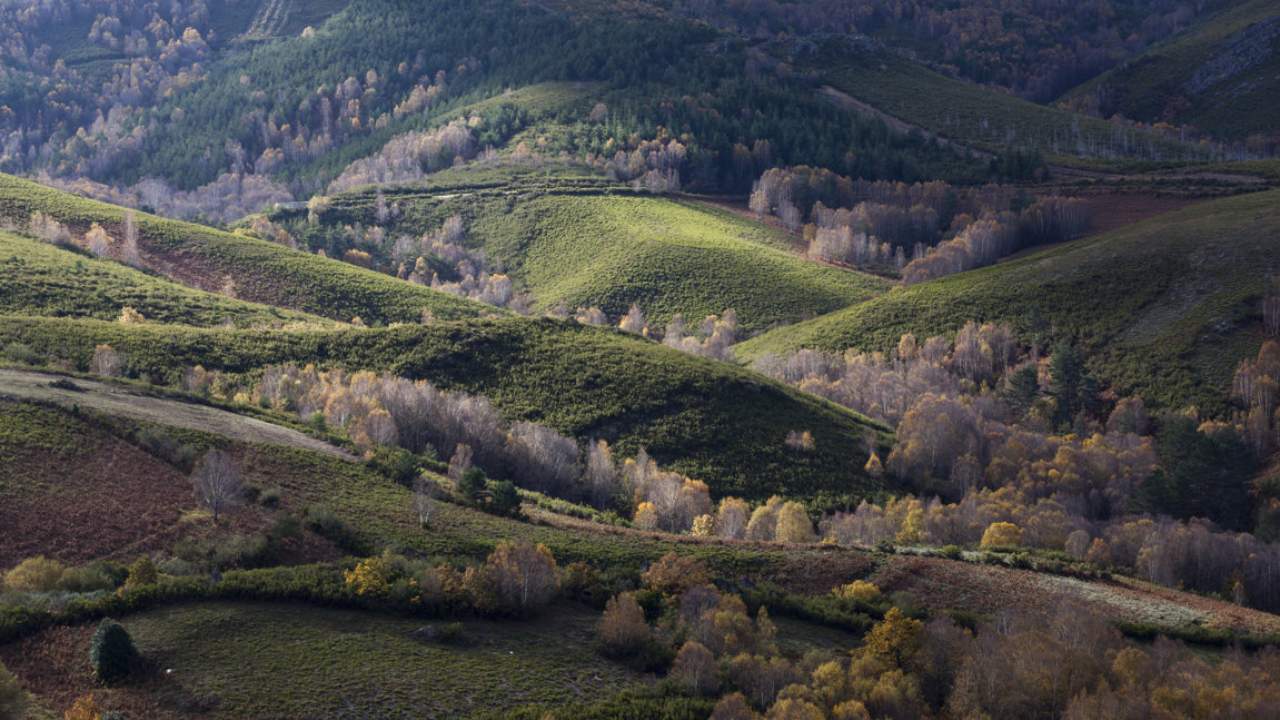
Rugged landscapes (the Sil River Canyon), ancient geological formations now transformed into towering mountains (O Courel), and one of the southernmost birch forests (Montederramo) on the European continent are just a sample of what these Natura 2000 sites have to offer.