

Sierra de las Nieves
National Park, World Biosphere Reserve

Unique nature and biodiversity
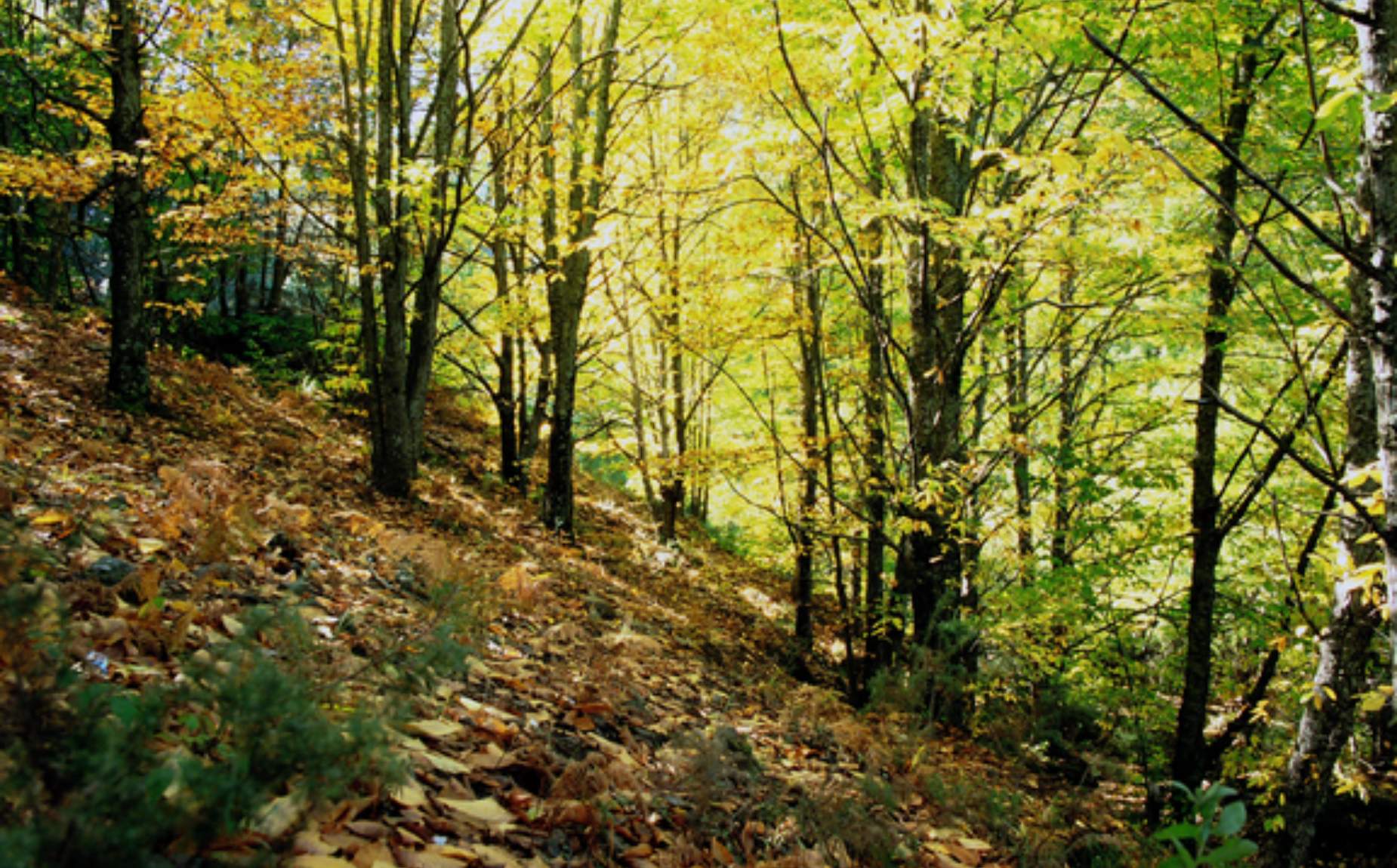
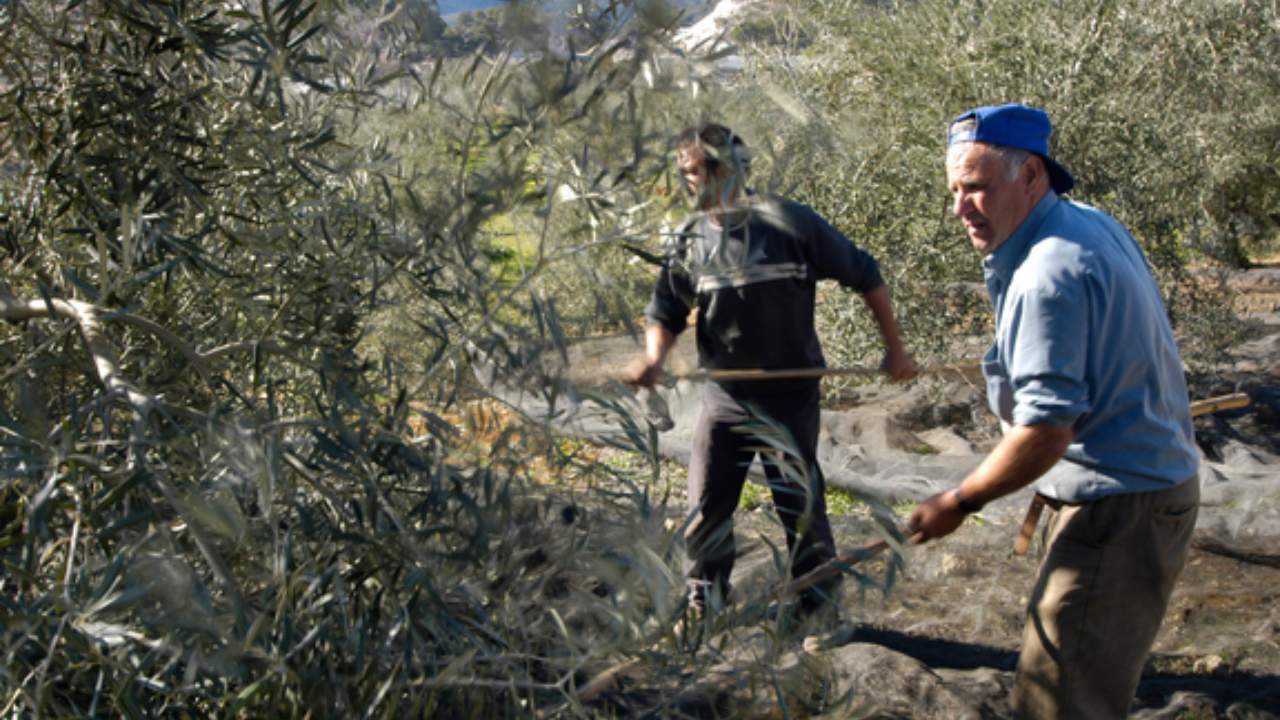
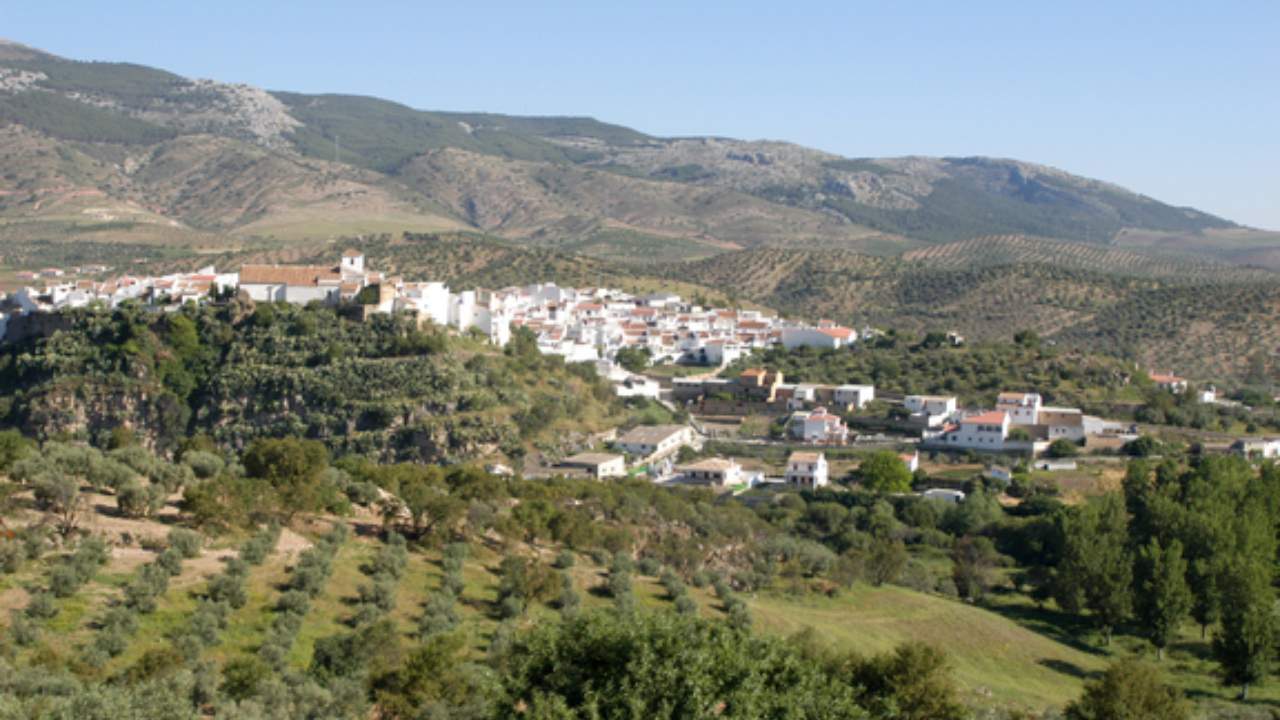
The Sierra de las Nieves is one of Spain’s newest national parks, designated in 2021, and an area of extraordinary natural beauty in the heart of the province of Málaga. Located at the southwestern end of the Cordillera Bética, in the highest part of the Serranía de Ronda, it is home to the highest mountains in western Andalusia. A UNESCO World Biosphere Reserve since 1995 and an internationally recognized ecotourism destination, it combines unique flora and fauna, an exceptional geological heritage, and 14 villages with their own distinct identities where people still maintain a perfect balance with nature.
The region is strategically located: just 58 kilometers from the city of Málaga, with excellent connections to Málaga Airport, the high-speed rail station, and the port.
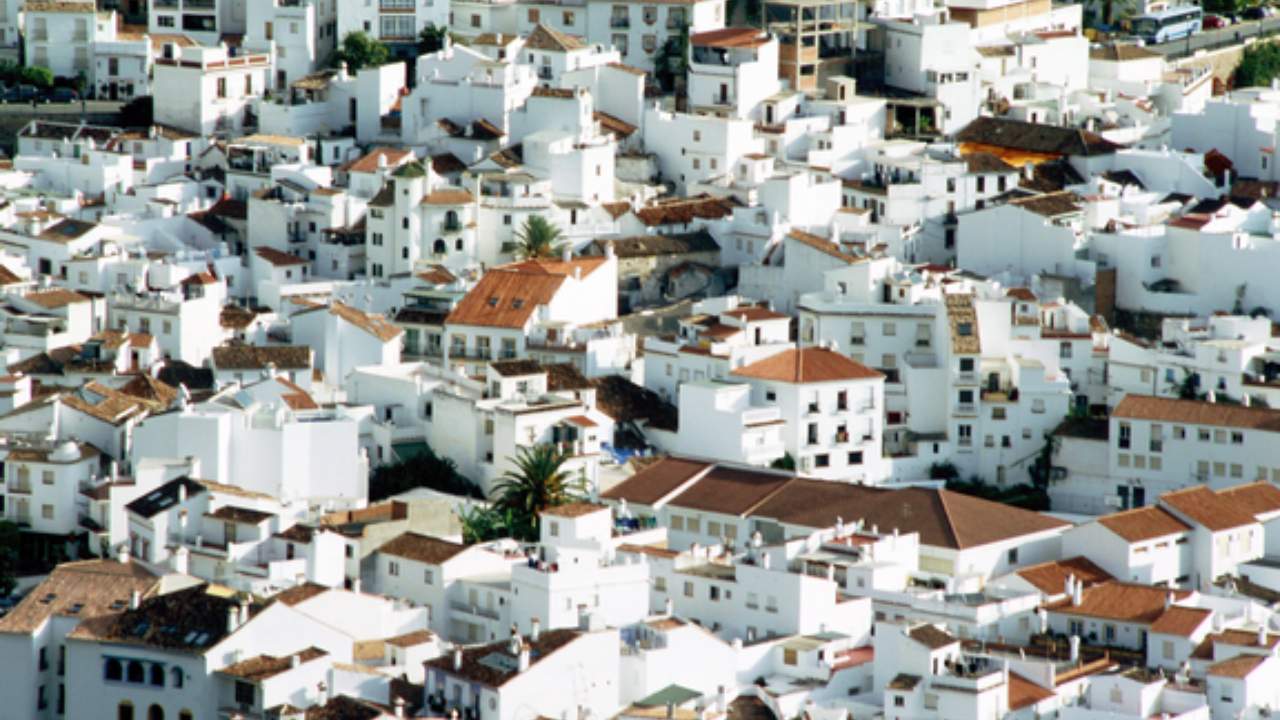
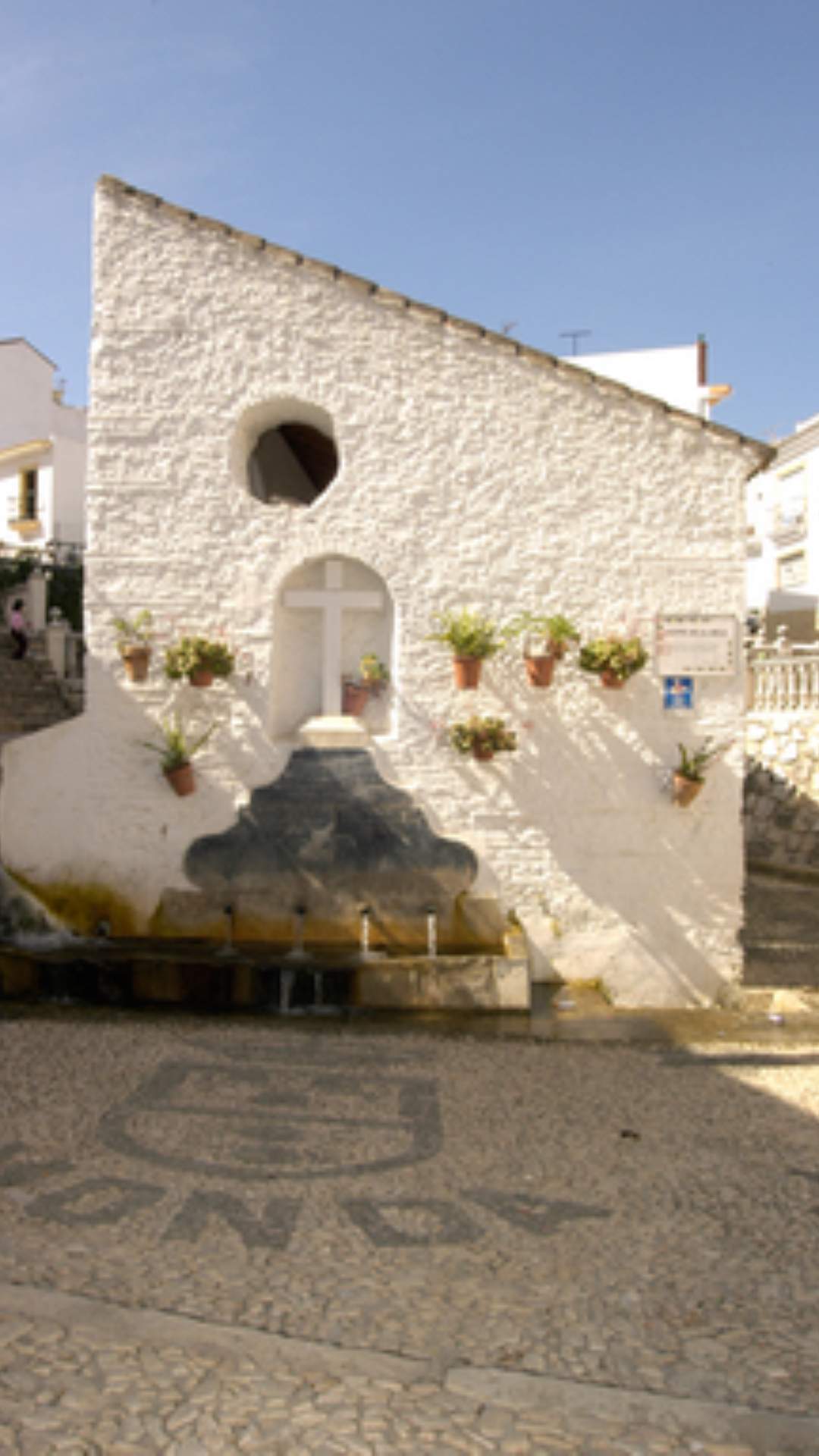
The 14 villages that make up the region—Alozaina, Casarabonela, Tolox, El Burgo, Yunquera, Monda, Guaro, Istán, Ojén, Ronda, Benahavís, Serrato, Parauta, and Igualeja—retain their character, a legacy of the melting pot of cultures that have shaped these lands over the centuries.
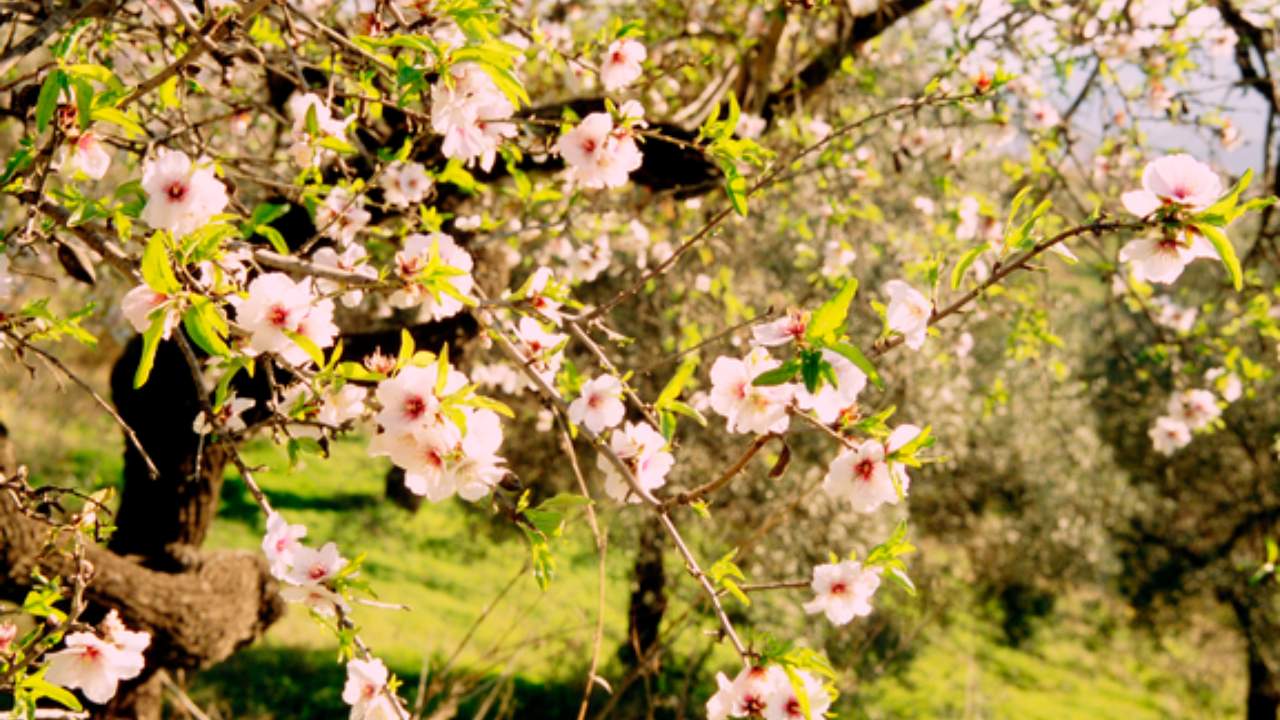
The Sierra de las Nieves is located at the southwestern end of the Baetic System, in the highest part of the Serranía de Ronda (Málaga), comprising the highest mountains in western Andalusia, with Pico Torrecilla reaching 1,919 meters in height. Its strategic geographical location, combined with its unique geological and orographic features, results in vegetation characterized by high diversity.
Designated a National Park in 2021 (Law 9/2021, of July 1), it covers a total area of 22,979.76 hectares, with a buffer zone of 75,119.86 hectares and a socioeconomic influence area of 134,140 hectares.The World Biosphere Reserve, recognized by UNESCO since 1995, covers a total of 93,930 hectares encompassing twelve municipalities: Alozaina, Casarabonela, Tolox, El Burgo, Yunquera, Monda, Guaro, Istán, Ojén, Serrato, Ronda, and Parauta.
The jewel of its natural heritage is the Spanish fir (Abies pinsapo), a relict fir from the Tertiary period whose distribution is restricted to a small number of mountain ranges in Spain and northern Morocco.
The Sierra is also an important refuge for wildlife: roe deer, mountain goats, mouflon, golden eagles, griffon vultures, and kingfishers coexist in a karst landscape of great geological beauty. Its name comes from the snow on its high peaks, which was once stored in snow pits to be distributed throughout the summer to the towns in the province.
International recognition attests to its exceptional status: Biosphere Reserve (1995), European Charter for Sustainable Tourism – CETS (2004), Intercontinental Mediterranean Biosphere Reserve (2006), and Natura 2000 Network (2012).
The spas of Tolox and the traditional architecture of its streets are fine examples of the cultural heritage that visitors can discover along the trails and through the landscapes.